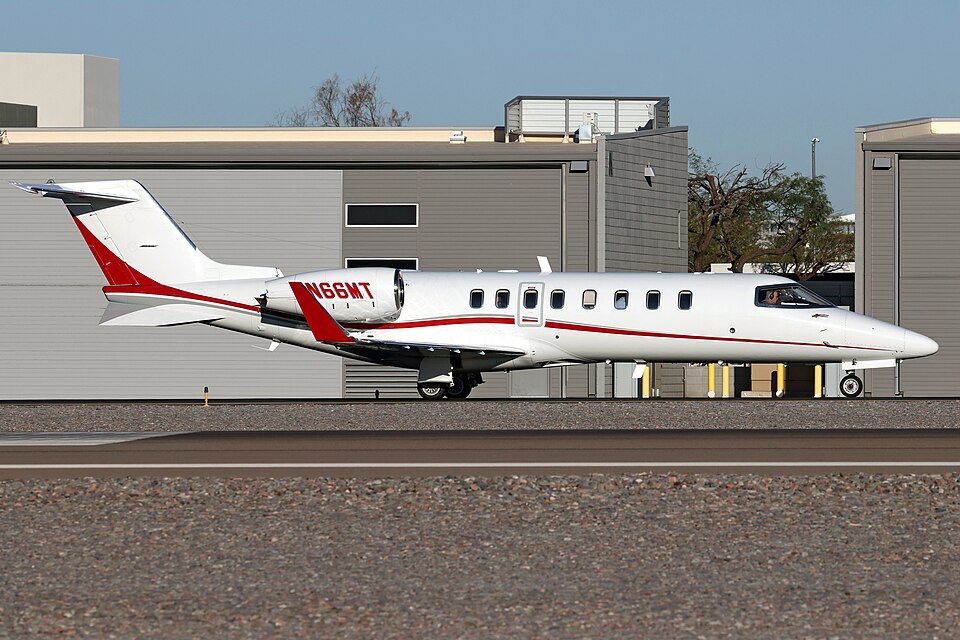
Incident Details
According to the pilot, the approach was being flown using the Instrument Landing System (ILS). The autopilot was coupled to both the localizer and glide slope. Approximately 2-1/2 to 3 miles from the airport, the pilot visually acquired the approach lights and runway lights. At that point, he disconnected the autopilot and yaw damper and hand-flew a visual approach, using the glide slope indicator as a cross-check. The pilot reported that the glide slope indication showed the aircraft was slightly above the glide path, but a correction was made. Moments later, the aircraft struck a pole and electrical wires, coming to rest short of the approach lights and to the right of the runway.
Investigation Findings
An examination of the airplane revealed no anomalies. The ILS approach to the runway was also examined and found to be operating satisfactorily.
Probable Cause
The official probable cause was the pilot's failure to maintain the proper glide path during the final portion of the approach. Factors relating to the accident were the low altitude and the utility pole.