Incident Overview
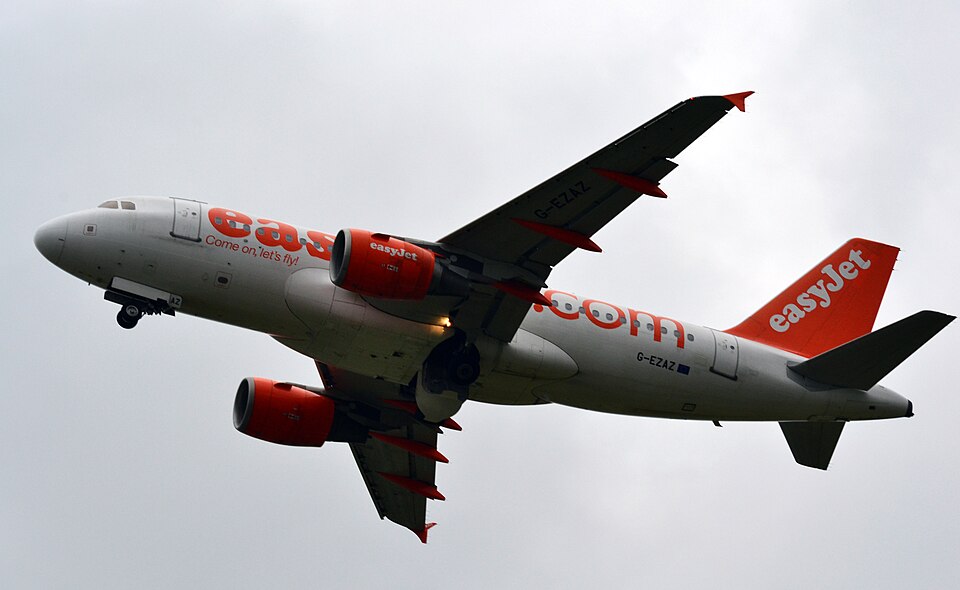
On 17 March 2017, at Lyon Saint-Exupéry Airport, a Bombardier CRJ700 registered F-GRZL (operated by Hop!) and an Airbus A319-111 registered G-EZAZ (operated by EasyJet) were involved in a serious incident. The CRJ700, flight HOP83AJ, had just landed on runway 35R and was cleared to cross runway 35L via taxiway B4. At the same time, the A319, flight EZY748Z, was conducting its take-off run on runway 35L. The crew of the CRJ saw the A319 and braked, stopping before the CAT III runway-holding position marking. The A319 passed in front of the CRJ at high speed. No injuries or aircraft damage were reported.
Flight History
Runways 35L and 35R were in use under nominal twin runway operations, with landings on 35R and take-offs on 35L. The weather was CAVOK. At 14:35:40, the local controller cleared HOP83AJ to land on runway 35R. Two minutes later, EZY748Z contacted the controller and was cleared to line up and wait on runway 35L. At 14:36:51, EZY748Z was cleared for take-off. At that moment, HOP83AJ was crossing the threshold of runway 35R.
Forty-one seconds after the take-off clearance, the controller cleared HOP83AJ to cross runway 35L via B4. EZY748Z was then about 1,000 meters from B4. Twenty seconds later, the crew of HOP83AJ saw the A319 and began braking. The controller then ordered HOP83AJ to hold its position. The CRJ stopped before the CAT III holding position. At 14:38:58, EZY748Z passed in front of HOP83AJ still on its take-off run.
Controller and Crew Actions
The controller had started his shift 47 minutes prior and had been continuously manning the local control position. He reported that after clearing the CRJ to cross, he moved a paper strip and did not maintain an all-encompassing out-of-window scan. He realized the conflict when both aircraft were in his field of vision and issued a stop command without using emergency phraseology.
The HOP83AJ crew, familiar with the airport, had briefed about potential conflicts when crossing 35L. They checked that the runway was free before proceeding but then saw the A319 and stopped. The EZY748Z captain, an English speaker, overheard the clearance in French and had doubts, but decided not to abort the take-off because the speed was above 100 kt and he judged the A319 would pass before the CRJ reached the crossing point.
Aerodrome and Control Information
Lyon Saint-Exupéry has two parallel runways. Under nominal twin runway operations, simultaneous landings and take-offs are authorized when visibility exceeds 5 km and ceiling above 1,500 ft. Stop bars at the CAT III holding positions are only activated during low visibility procedures; they were not in use. The controller used a strip board to manage traffic, with magnetic bays for each runway. The incident led to the controller being relieved by an assistant.
Probable Cause
The investigation report does not state a probable cause for this incident.