What happened
On the evening of January 29, 2025, a midair collision occurred near Ronald Reagan Washington National Airport (DCA) involving two aircraft. The first aircraft, a Sikorsky UH-60L helicopter operating under US Army callsign PAT25, was conducting a night flight training mission using night vision goggles. The helicopter was transitioning through established helicopter routes over the Potomac River.
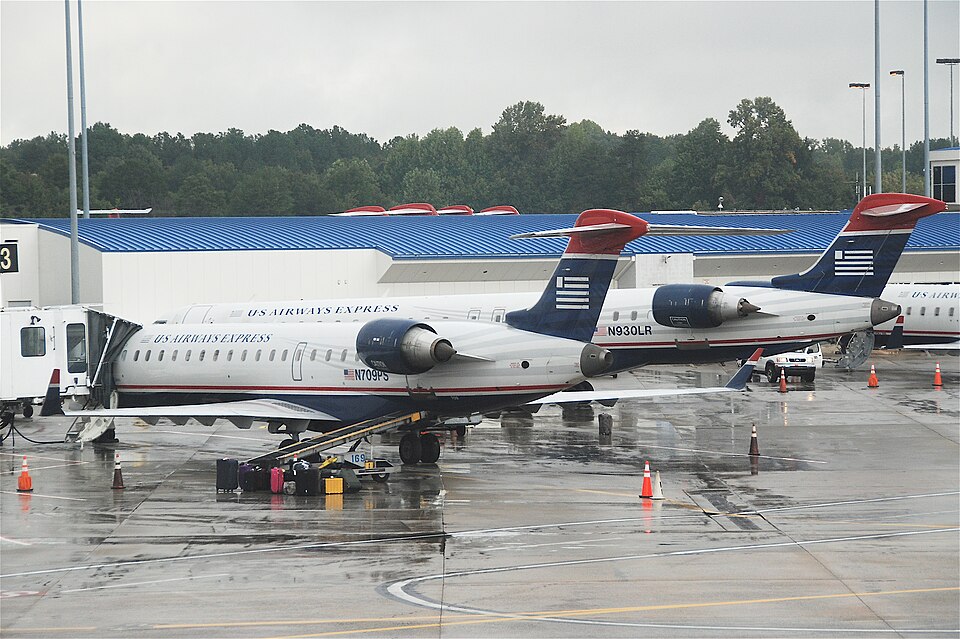
Simultaneously, American Airlines flight 5342, an MCRJ700 with registration N709PS, was performing a scheduled domestic passenger service from Wichita, Kansas. The airplane was executing a circling approach to runway 33 after being redirected by air traffic control.
As the two aircraft paths converged near the runway 33 approach corridor, the helicopter crew requested and received visual separation from the tower controller. However, during a critical moment of instruction, a brief radio transmission from the helicopter crew blocked part of a directive from the controller. Approximately 20 seconds after this exchange, the two aircraft collided at an altitude of roughly 278 feet above mean sea level over the Potomac River. The accident resulted in 65 fatalities, including all 3 crew members on the helicopter and all 62 people on board the airplane.
Findings
Investigators identified several contributing factors to the disaster. A primary cause was the placement of a helicopter route in close proximity to an active runway approach path, alongside a failure by the FAA to mitigate known risks near DCA. The investigation also highlighted an overreliance on the see-and-avoid concept within the air traffic system.
Other significant findings included:
- High workload and loss of situational awareness by the tower controller, who was managing both local and helicopter control positions simultaneously.
- A brief radio transmission error that prevented the helicopter crew from hearing a specific instruction to pass behind the airplane.
- The US Army's failure to ensure pilots were properly trained on barometric altimeter error tolerances, which led to the helicopter flying above its authorized altitude.
- Systematic failures regarding the implementation of safety management systems and previous NTSB recommendations by the FAA.