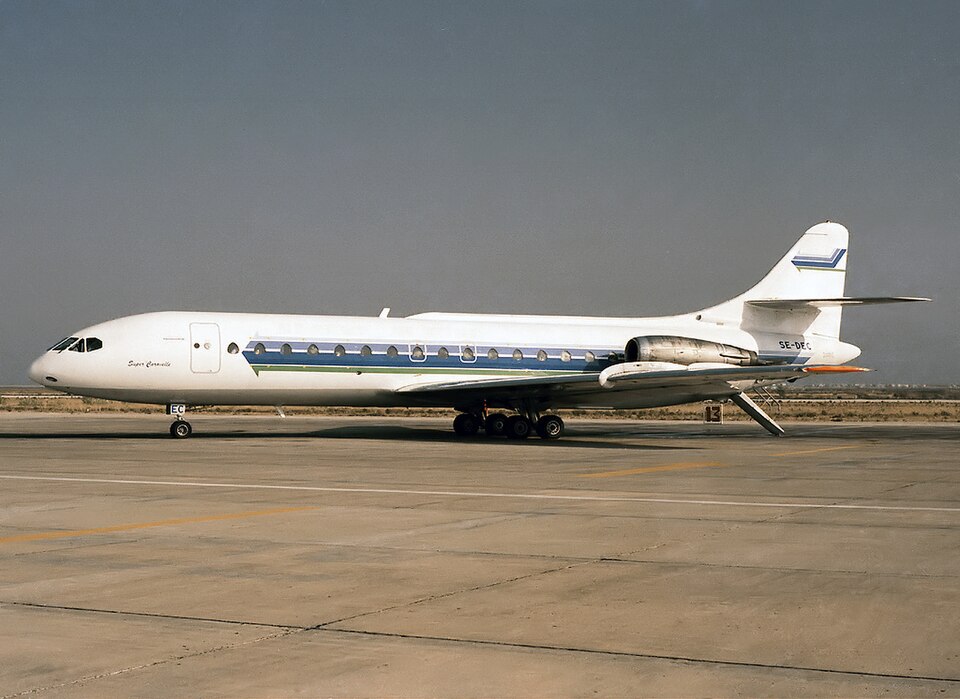
Event Description
Immediately after liftoff from runway 08, while climbing to approximately 10 meters, the aircraft experienced an unexpected pitch-down movement. The copilot verified that airspeed and engine indications were normal. The airplane continued to 'float' above the runway, prompting the captain to abort the takeoff and land back on the runway.
The aircraft touched down hard on its nose gear and bounced. The second touchdown occurred on both main landing gears but was also hard, causing the main gears to penetrate the wings and fuel tanks. This resulted in fuel spillage. The aircraft subsequently went out of control, sliding for about 300 meters before veering left off the runway. It came to rest in a snow-covered field and burst into flames.
All 27 occupants evacuated safely. The aircraft was damaged beyond repair.
Probable Cause
The official investigation determined the probable cause as: "The perception of an unusual climb configuration due to various disturbances forced the crew to abort the takeoff procedure." Contributing factors reported include an incorrect movement of the pitch immediately after liftoff, the presence of nitrogen in the hydraulic lines that may have affected rudder movements, and a possible accumulation of ice or snow on the top of the stabilizers that may have affected aircraft stability and controllability.