Incident Overview
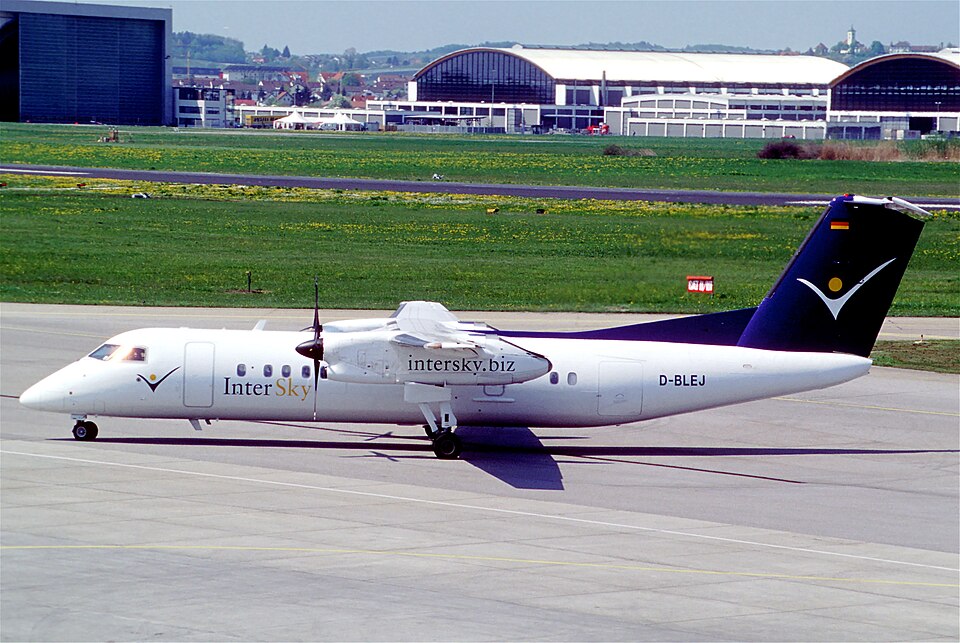
On December 17, 2003, at 11:57 UTC, an airprox incident occurred within the Zurich Terminal Control Area (TMA), specifically five nautical miles east of the Willisau VOR/DME. The event involved two aircraft: ISK210, a De Havilland Canada DHC Dash 8 operated by InterSky Luftfahrt GmbH, and HB-SCO, a DV20 Katana operated by Horizon Swiss Flight Academy LTD.
Operational Context
ISK210 was conducting a scheduled flight from Berne to Vienna with 30 passengers on board. The crew had been cleared to climb to FL140 but were climbing at an average rate of 650 ft/min, below the instructed maximum of 1,500 ft/min. At the time of the incident, the aircraft was in contact with Zurich Radar Sector South/West and flying under Instrument Flight Rules (IFR).
HB-SCO was a private visual flight from Grenchen to Samedan. The pilot, who had approximately 77 hours of total flight experience, entered the Zurich TMA without authorization or continuous radio contact with air traffic control, which is mandatory for VFR traffic in Class C airspace.
Sequence of Events
At 11:55:28 UTC, a Short Term Conflict Alert (STCA) was triggered. Shortly after, at 11:55:31, the Radar Executive issued traffic information to ISK210 regarding an unidentified aircraft at 11 o'clock, two nautical miles away, and FL90. The First Officer of ISK210 confirmed visual contact and TCAS detection.
The encounter occurred at approximately FL90. According to radar recordings, the lateral separation was between 150 and 200 meters, with an altitude difference of 200 feet. The pilot of HB-SCO reported seeing the Dash 8 only after it had crossed his flight path, noting that his view may have been obstructed by the aircraft's right wing.
Findings and Assessment
The investigation found that HB-SCO lacked authorization to enter the controlled airspace. While ISK210 received a TCAS Resolution Advisory to descend, the Commander maintained visual contact and interrupted the climb briefly to ensure safe separation. The involved air traffic controllers classified the incident as high risk, noting that the VFR aircraft was not known to any unit prior to the STCA alert.