Introduction
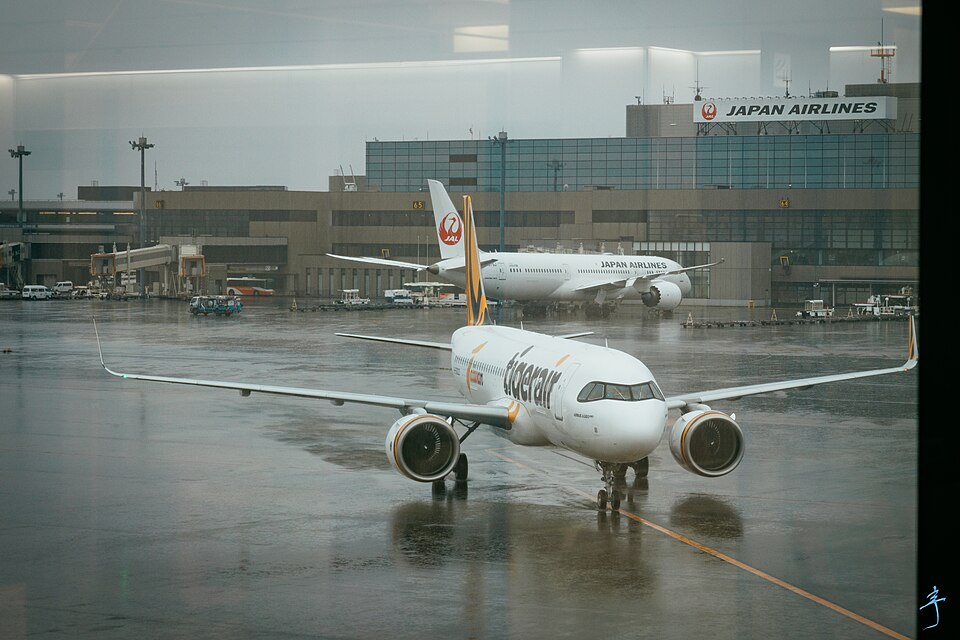
On August 7, 2023, Tigerair Taiwan flight IT237, an Airbus A320-271N with registration B-50023, departed Hakodate International Airport, Japan, at 1024 local time, bound for Taiwan Taoyuan International Airport. The aircraft carried 2 flight crew, 4 cabin crew, 1 mechanic, and 168 passengers (including 1 infant), totaling 175 occupants.
Flight Details
The flight operated normally during descent, approach, and landing. The first officer was the pilot flying (PF) and the captain was the pilot monitoring (PM). The aircraft landed on runway 23R at approximately 1444 and vacated via taxiway N6.
Incapacitation Event
While taxiing on taxiway E, the captain declared a Pan-Pan urgency, requesting an ambulance for an unwell crew member. During taxi, the first officer ceased responding to ground control instructions. After the aircraft turned onto taxiway N, the first officer made an abnormal vocalization, and the captain observed that the first officer had lost consciousness. The captain attempted to rouse the first officer by tapping his shoulder but received no response. The captain used the cabin interphone to request the purser's assistance and radioed for an ambulance to meet at parking position 602. Cabin crew asked for medically qualified passengers via public address, and three individuals volunteered.
By the time the aircraft reached the parking position, the first officer had regained consciousness, left the flight deck, and was examined by medical personnel before being transported to a hospital.
Investigation Findings
The Taiwan Transportation Safety Board (TTSB) investigated the incident. The first officer experienced a loss of consciousness lasting approximately 7 minutes, rendering him unable to perform monitoring duties. Post-accident medical examinations and specialist evaluations found no sufficient evidence to determine a likely cause for the loss of consciousness. Alcohol and drug tests were negative for both pilots. The investigator noted that the first officer reported considerable fatigue during the period, but no evidence suggested fatigue affected flight safety except after landing. The captain's handling of the incapacitation was timely and appropriate.
The report also reviewed Tigerair's fatigue management procedures, including the System for Aircrew Fatigue Evaluation (SAFE), and noted limitations in accounting for individual sleep needs and quality. The airline's leave policy required a medical certificate for fatigue-related task refusal, which could affect reporting. No safety issues were found with aircraft weight and balance, maintenance records, or crew qualifications.
Probable Cause
The investigation did not identify a probable cause for the first officer's incapacitation due to insufficient medical evidence.