Incident Summary
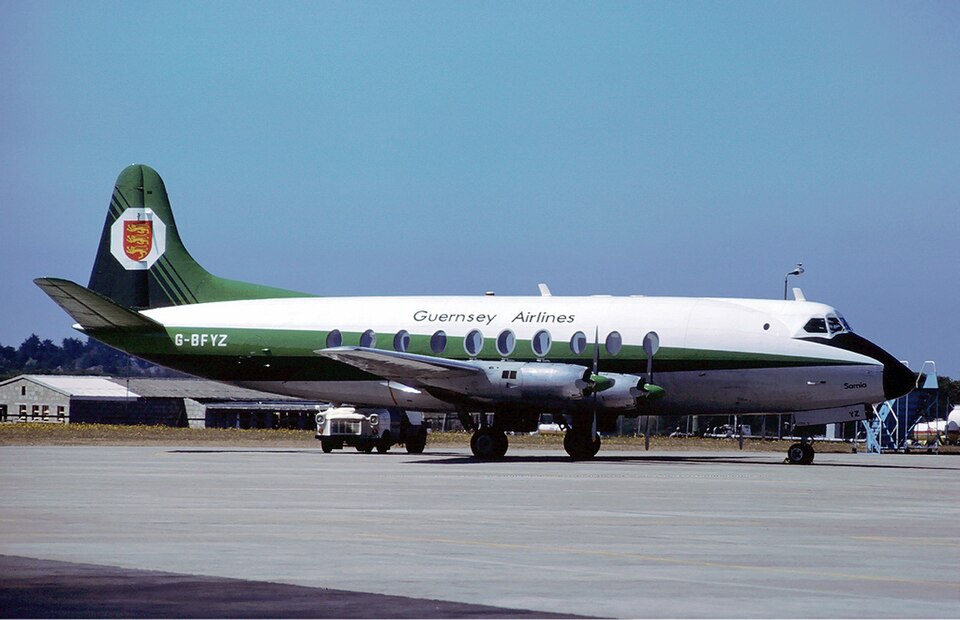
During an approach that was described as unstabilized, an aircraft touched down initially on its starboard main landing wheels while positioned to the left of the runway center line. The aircraft then began drifting to the right, and shortly after touchdown, the number 4 propeller struck the runway surface. The aircraft bounced and, approximately three seconds later, touched down again on its starboard wheels, striking the runway a second time to the left of the center line with the number 4 propeller.
Sequence of Events
Following the second propeller strike, the commander called for full power, unaware that the aircraft had sustained damage. The copilot, however, did not apply power because he was aware that damage had occurred. The aircraft subsequently diverged to the right, exited the runway, and continued along the grass parallel to the runway until it crossed the paving of an intersecting runway. At that point, the nose landing gear collapsed. The aircraft came to rest on water-logged grass near the right-hand edge of runway 25.
The commander then ordered an evacuation, which was carried out without injury. There was no fire, and airport fire and rescue services arrived promptly.
Probable Cause
According to the official findings, the accident was caused by the commander failing to take overshoot action at an early stage in the approach to land when it became apparent that the approach was unstabilised and the windscreen wiper was unserviceable.