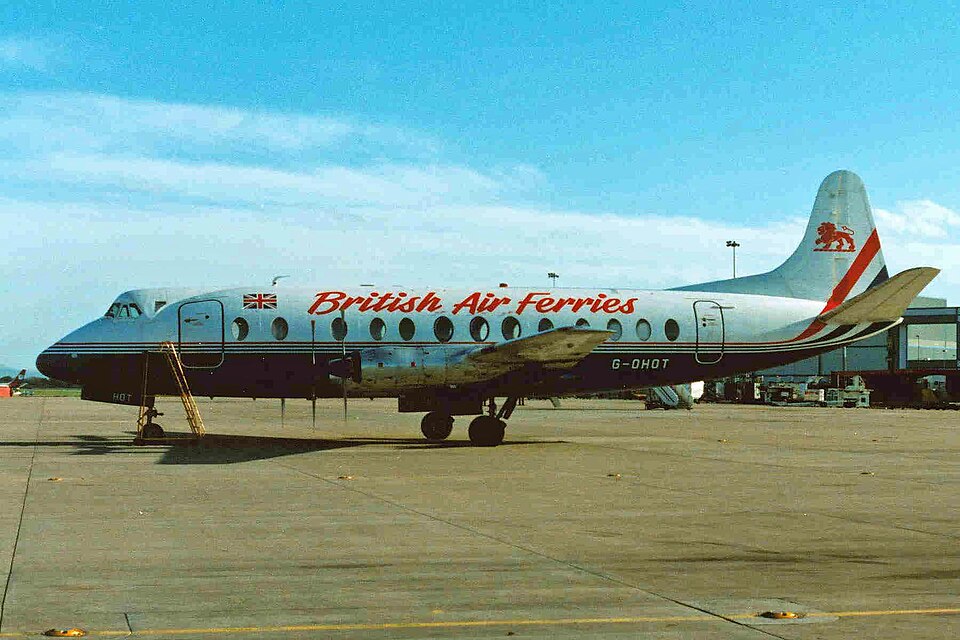
Incident Overview
A cargo flight operating between Edinburgh and Coventry encountered severe icing conditions while cruising at Flight Level 150. During the event, engines number 2 and 3 failed. The crew received clearance to initiate an emergency descent to FL070 and subsequently FL050, and decided to divert to Birmingham Airport.
Shortly after, the crew was able to restart engine number 2, but then engine number 4 also failed. The aircraft entered an uncontrolled descent and crashed in a wooded area near Uttoxeter, approximately 45 kilometers north of Birmingham Airport.
Injuries and Damage
The copilot sustained serious injuries, while the captain was killed. The aircraft was destroyed in the crash.
Probable Cause
According to the official investigation, the following causal factors were identified:
- Multiple engine failures occurred as a result of flight in extreme icing conditions.
- Incomplete performance of the emergency drills by the crew, as a result of not referring to the Emergency Checklist, prejudiced the chances of successful engine re-starts.
- Crew actions for securing and re-starting the failed engines, which were not in accordance with the operator's procedures, limited the power available.
- The drag from two unfeathered propellers of the failed engines and the weight of the heavily iced airframe resulted in a loss of height and control before the chosen diversion airfield could be reached.
- Poor Crew Resource Management reduced the potential for emergency planning, decision making and workload sharing. Consequently, the crew had no contingency plan for the avoidance of the forecast severe icing conditions, and also was unaware of the relative position of a closer diversion airfield which could have been chosen by making more effective use of air traffic services.