Airbus A321XLR takes over long-haul narrowbody role from Boeing 757
The A321XLR is replacing the Boeing 757 on transatlantic and other long, thin routes, with Airbus citing up to 30% lower fuel burn per seat. Orders stand at 440 across 28 airlines, with 50 delivered.
Boeing 757Airbus A320 (all variants)
The Airbus A321XLR is taking over the long-range, single-aisle role once held by the Boeing 757, according to an industry review of the two types. Airbus claims the XLR burns as much as 30% less fuel per seat than the older Boeing jet, and that its unit costs are lower than those of widebody aircraft. That allows carriers to open secondary point-to-point markets without a stop.
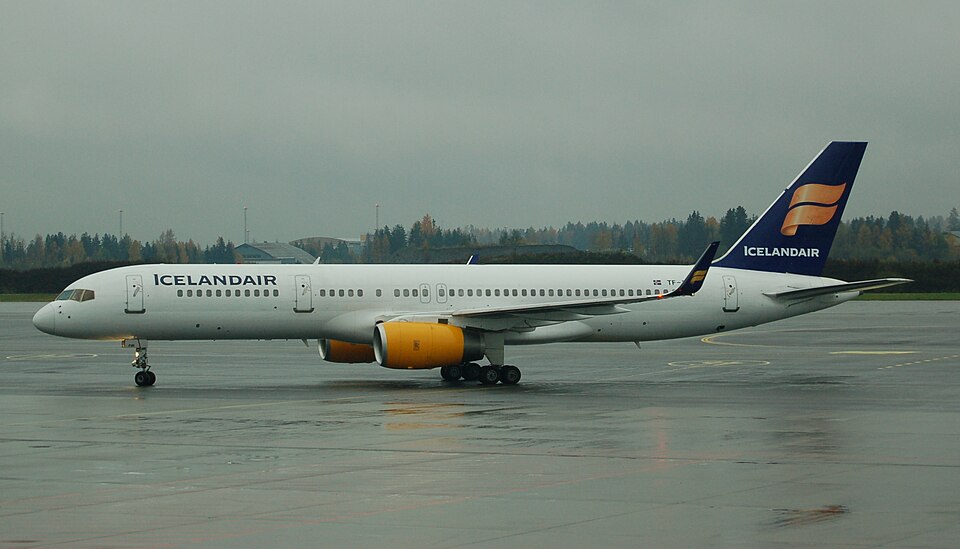
Long-haul passenger flights on twin-engine narrowbodies gained ground in the early 2000s, driven largely by the 757's range. Those operations were confined mainly to the three large US network carriers, a small group of secondary operators such as Icelandair, and premium-class startups such as OpenSkies, then a British Airways subsidiary. Boeing ended 757 production in 2004.
Its use on sectors longer than 5,000 kilometres declined from 2010 and had almost disappeared by the start of the pandemic in 2020. Only United Airlines and Icelandair kept the type on such routes through the recovery.
The 757's extended range was part of its original design, which hurt its efficiency on shorter sectors. Airbus instead pushed development of the A321 to its limit to produce the XLR. Along with the fuel saving, the manufacturer points to operational commonality for airlines that already fly large fleets of A320neo family aircraft.
Firm commitments for the XLR total 440 aircraft and lease agreements spread across 28 airlines, according to fleet data. Fifty have been delivered, of which 44 are in active commercial service. A further 40 commitments are held by leasing companies and have yet to be placed.
Sources
- aviacionaldia.comAirbus A321XLR: la transformación de las rutas transatlánticas y el reemplazo del Boeing 757