Douglas D-558 Skyrocket: First to Mach 2
The Douglas D-558 research aircraft series, including the Skystreak and Skyrocket, achieved the first flight beyond Mach 2, with the D-558-1 designed for high subsonic research.
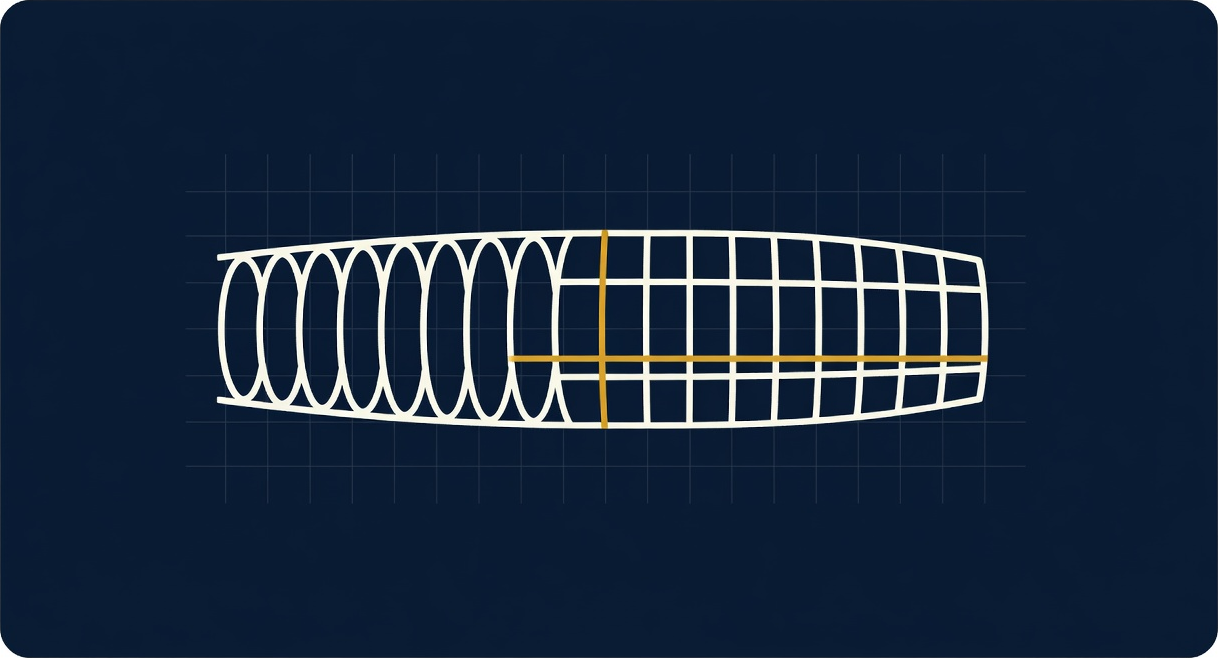
The Douglas D-558 series of research aircraft used both turbojet and rocket propulsion to set speed and altitude milestones after World War II. The series culminated in the first flight beyond Mach 2.
The D-558-1 Skystreak was built to meet requirements from both the National Advisory Committee for Aeronautics (NACA) and the United States Navy Bureau of Aeronautics for a high-speed research aircraft. It focused on high subsonic speeds, with required flight speeds between Mach 0.75 and Mach 0.85 and altitudes from sea level to 40,000 feet.
The Skystreak carried an automated pressure recording system with 400 measuring points connected to the airframe. Strain gauges were placed on selected tail and wing positions. At least 500 pounds of instruments were required.
The aircraft was a cantilever low-wing design with large vertical tail surfaces. Its horizontal tail surfaces were attached one-third up the vertical fin. Tricycle retractable landing gear and a slender circular fuselage kept it streamlined. The D-558-1 was required to take off and land on its own power.
Sources
- theaviationist.comFirst to Mach 2: A Look at the Douglas D-558 Skyrocket