FAA details fuel-saving idle mode for Pratt & Whitney Canada's new helicopter engine
A regulatory filing reveals that P&WC's in-development PW220A turboshaft will feature an idle cruise regime allowing one engine to power a twin-engine helicopter alone during cruise, aimed at cutting fuel burn.
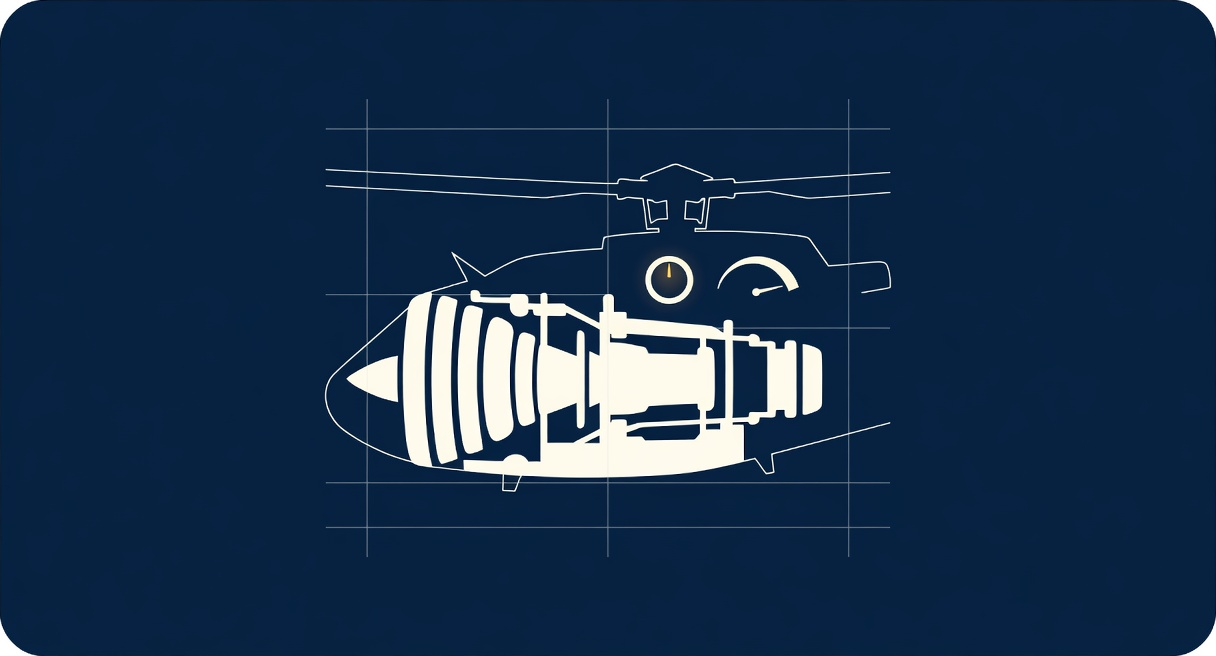
A newly disclosed regulatory filing has shed light on a fuel-saving design feature of Pratt & Whitney Canada's PW220A turboshaft engine, still under development for helicopter use.
A Federal Aviation Administration filing dated 25 August describes what the manufacturer calls an idle cruise regime. Under this arrangement, one of the two engines on a twin-engine helicopter would supply all the power needed during cruise flight, while the second engine runs at low idle.
The FAA said the regime is meant to cut total fuel consumption and extend a helicopter's range. A single engine running at higher output is thermodynamically more efficient than two engines sharing the load, the agency noted. Because existing airworthiness rules do not address this mode of operation, the FAA is proposing special conditions to evaluate it during certification.
Pratt & Whitney Canada, a unit of RTX, filed its initial certification application for the PW220A with the FAA in November 2021. The program has moved forward with little public attention since then. The company declined to comment on the project, and which helicopter model the engine is meant to power remains unclear.
Beyond what appears in regulatory filings, details about the PW220A are scarce. The FAA describes it only as a new centerline turboshaft engine designed for a transport-category, twin-engine helicopter. Certification work continues, but no timeline for completion or entry into service has been disclosed.
Sources
- flightglobal.comFAA reveals fuel-saving feature of P&WC’s in-development PW220A turboshaft