Unruly passengers and the legal powers of an aircraft commander
A column examines what cabin crew and pilots are legally permitted to do with disruptive passengers, using a recent American Airlines incident as its starting point.
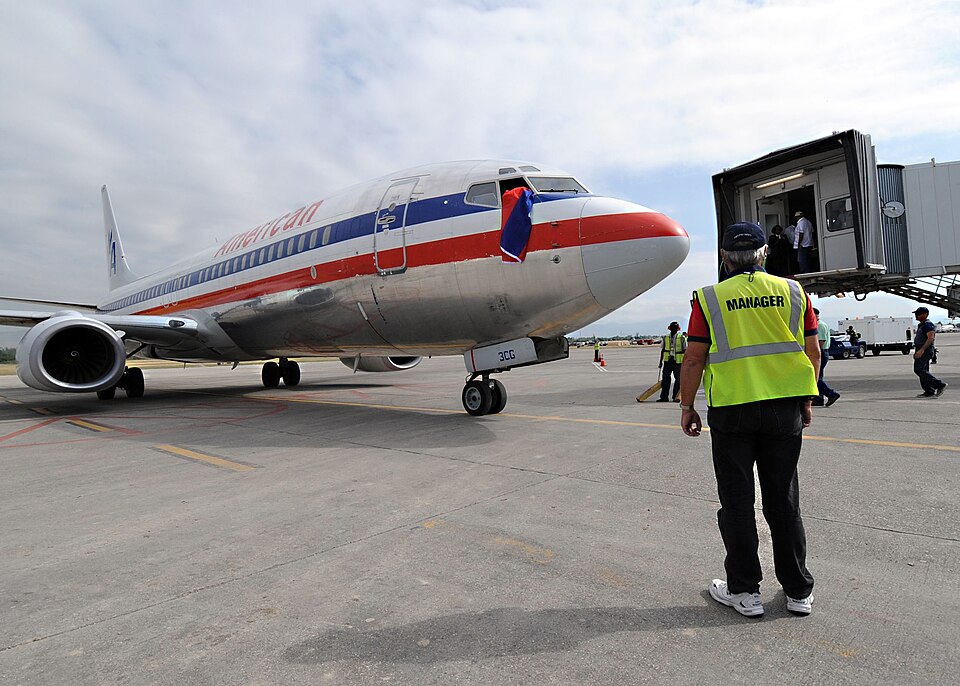
A passenger became violent on an American Airlines flight, choking the person next to him and biting another traveller, before crew members restrained him in his seat with cable ties and tape. The aircraft was diverted to Baltimore, where the man was handed over to police, according to the account.
Such cases are rare, but they are not unregulated. They raise a distinct figure in aviation law: the authority of the pilot in command. The commander is responsible not only for flying the aircraft safely. Under certain conditions he or she also takes on a quasi-police role on board, duties that on the ground would fall to state authorities.
The term itself is not uniform. European and international rules speak of the pilot-in-command or aircraft commander, while German-language texts refer to the responsible pilot or responsible aircraft commander. The meaning is the same: the pilot to whom the operator, usually an airline, has assigned command of a flight and who is accountable for its safe conduct.
The source describes the commander as combining two different functions, one navigational and one concerned with order and security on board. It notes that the legal basis for restraining a passenger is set out in aviation security law, and that measures which look drastic can be lawful when the conditions are met.
Sources
- aerotelegraph.comFesseln, durchsuchen, festhalten: Wie weit die Macht eines Flugkapitäns reicht