Why 200 feet marks the handoff from autopilot to pilot on approach
An explainer piece describes how the 200-foot decision height on a standard instrument approach determines whether pilots land manually or execute a missed approach.
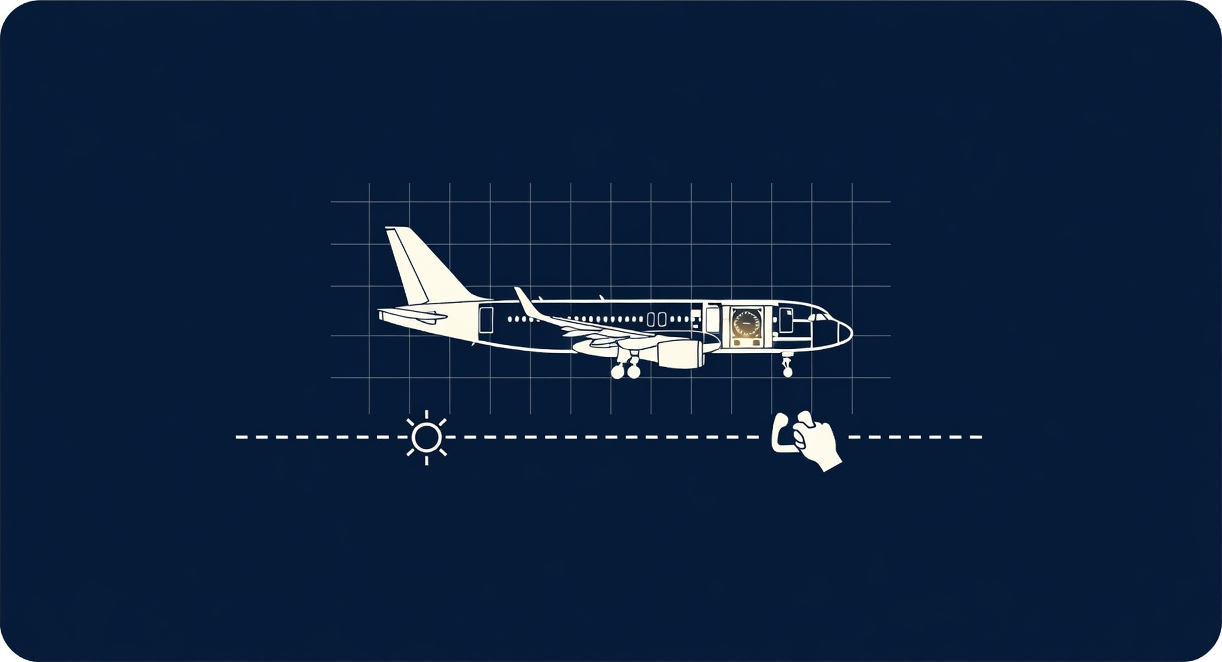
A recent explainer examines the role of the 200-foot decision height in commercial airline landings, describing it as the point where automated guidance typically gives way to manual pilot control.
Under a Category I Instrument Landing System approach, as defined by the U.S. Federal Aviation Administration, pilots reach a decision height of about 200 feet above the runway. At that point, the crew must determine whether they have sufficient visual reference to continue the approach.
If visual contact with the runway environment is established, a pilot can disconnect the autopilot and complete the landing manually. If not, standard procedure calls for a missed approach rather than continuing toward a runway that cannot be seen.
The piece frames this altitude as a structural boundary in the approach process, marking the transition from instrument-guided flight to the visual segment of landing. It does not report on any specific incident, aircraft, or airline, but instead describes standard procedure applicable across commercial aviation operating under Category I approach minimums.
No particular flight, airport, or regulatory action is cited beyond the general FAA definition of Category I decision height. The article is educational in nature, aimed at explaining a routine but often misunderstood aspect of automated versus manual flying during the landing phase.
Sources
- simpleflying.com200 Feet: The Height Where Pilots Take The Airplane Back From The Autopilot