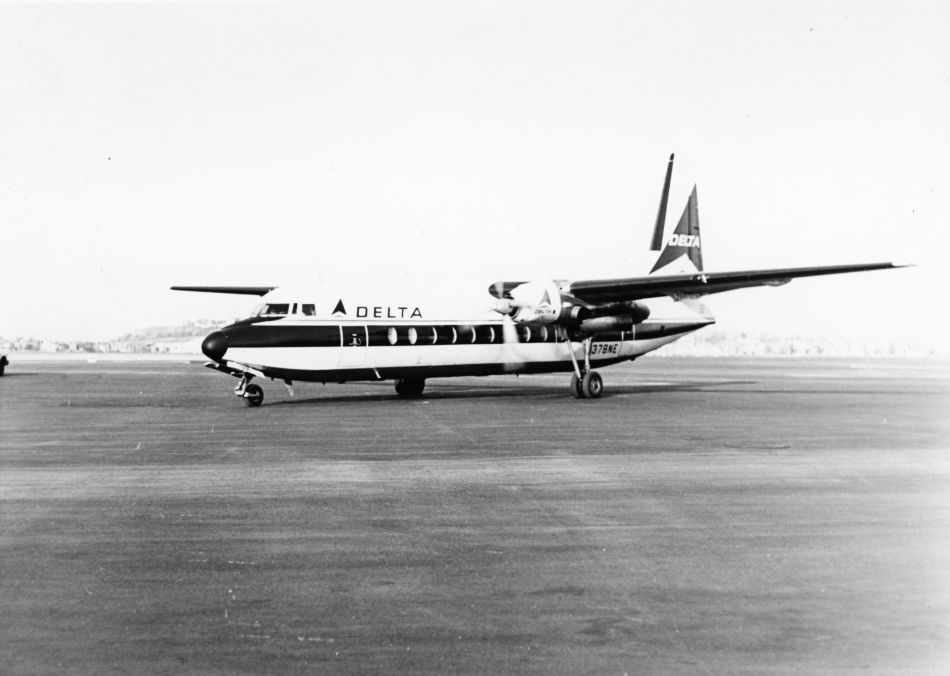
Incident Overview
The aircraft was being pre-positioned for a scheduled flight. During a visual approach to land, the captain (pilot-in-command) called for the flaps to be lowered in incremental settings of 16.5, 27, and 40 degrees. The flap handle was moved to the appropriate positions, but reportedly, neither pilot looked at the flap indicator.
Hard Landing
The captain stated that during the flare, the aircraft settled and contacted the runway quite hard. He immediately looked down and saw the flap indicator at 16.5 degrees, then noticed the flaps had extended to 40 degrees. The copilot saw the flaps at 30 degrees and moving to full down.
Damage and Subsequent Issues
During touchdown, the fuselage was damaged around the tail bumper/skid to the lower portion of the pressure bulkhead. On a subsequent flight for repair, the flaps over-ran the up-limit microswitch and then would not extend.
Equipment Details
The aircraft was equipped with a Model FPC-75 Ground Proximity Warning System in accordance with STC SA1176CE. It was wired into the flap selector switch and would have provided a warning if it had detected flap position.