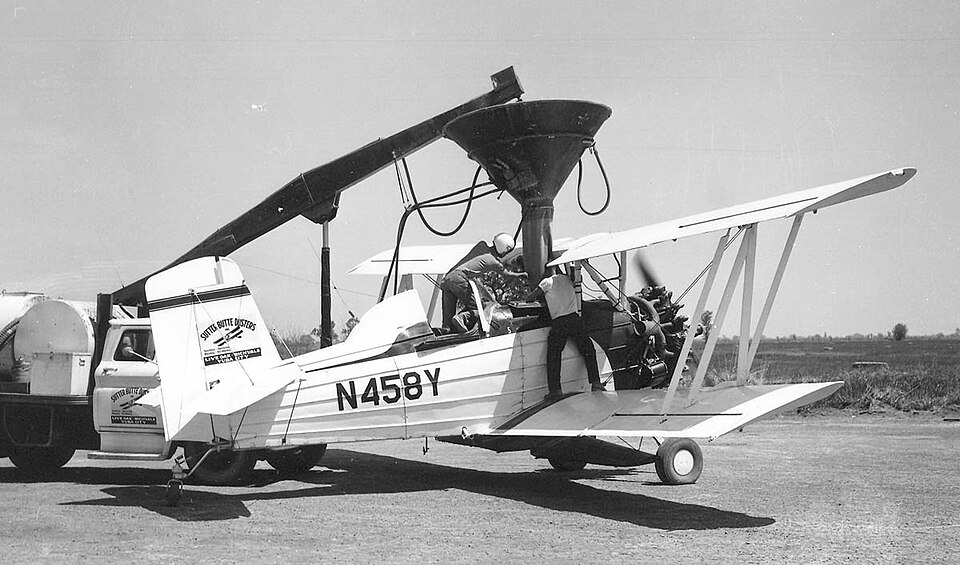
What happened
During the landing roll, the aircraft began to slow down when it started to drift toward the right side of the runway. At this point, the rudder lost its effectiveness in controlling the direction of the plane. The pilot attempted to correct the drift by applying left braking action but was unable to maintain directional control.
As the situation worsened, the right main landing gear struck a small earth bank located near the runway edge. This impact caused the aircraft to nosed over, bringing the flight to an abrupt end.
The investigation
Following the incident, an examination of the aircraft revealed that the brake fluid level was too low to properly actuate the braking system. This deficiency in hydraulic pressure prevented the brakes from functioning correctly, which directly contributed to the pilot's inability to steer the aircraft during the critical landing phase.
Findings
The primary factors leading to this accident were:
- Ineffective rudder during the landing roll
- Low brake fluid level preventing proper brake actuation
- Striking an earth bank with the right main gear
- Loss of directional control due to braking failure
These findings highlight the critical importance of maintaining adequate hydraulic fluid levels for safe aircraft operation, particularly during ground maneuvers where steering depends heavily on differential braking.
Safety message
Pilots must ensure that all pre-flight checks include verification of brake fluid levels. Inadequate hydraulic pressure can lead to complete loss of braking capability, which is especially dangerous during landing rolls when directional control is essential for safety.