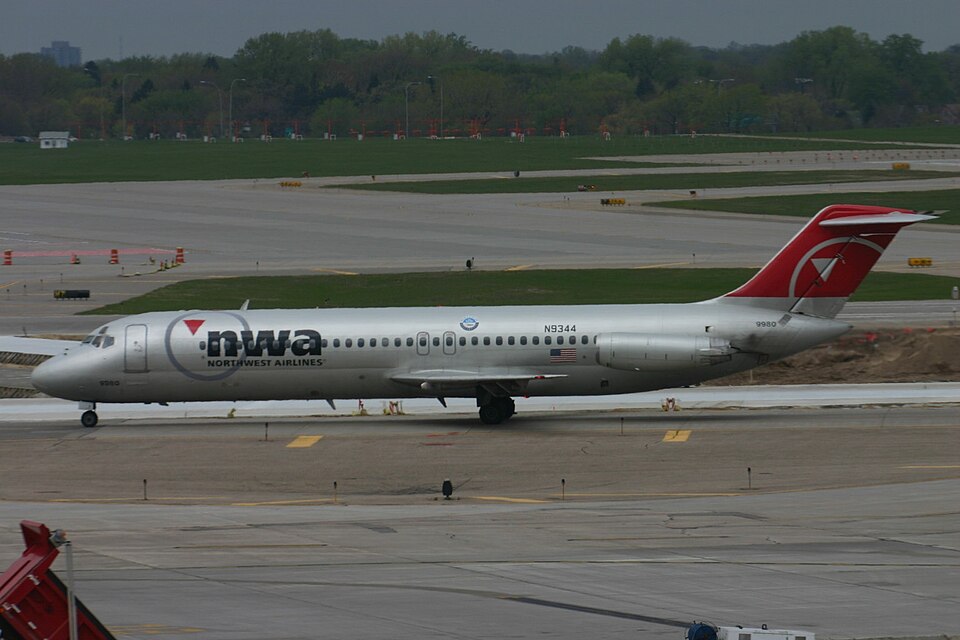
Background
Before departing Traverse City, the captain of Flight 375 was informed that Emmet City Airport had been sanded at about 1736 and that initial icy runway conditions were turning to slush. The captain was also told that Runway 32 would be re-sanded before the arrival of Flight 375.
Runway Conditions
The second sanding of Runway 32 was accomplished, and a subsequent James Brake Decelerometer test yielded a reading of "Poor."
Beech Baron Landing
A Beech Baron landed at about 2055 and encountered little braking difficulties. The pilot of the Beech Baron stated that he used brakes sparingly.
Flight 375 Landing
Flight 375 touched down approximately 1,000 ft from the approach end of Runway 32. Despite the application of maximum braking and reverse thrust, the aircraft could not be stopped within the confines of the runway. It continued beyond the departure end and came to rest on solid, frozen ground approximately 80 ft past the runway end.
Weather Conditions
Pellston had been experiencing light drizzle and snow for the past 12 hours. Temperatures were rising from 30 to 34 degrees Fahrenheit.