Introduction
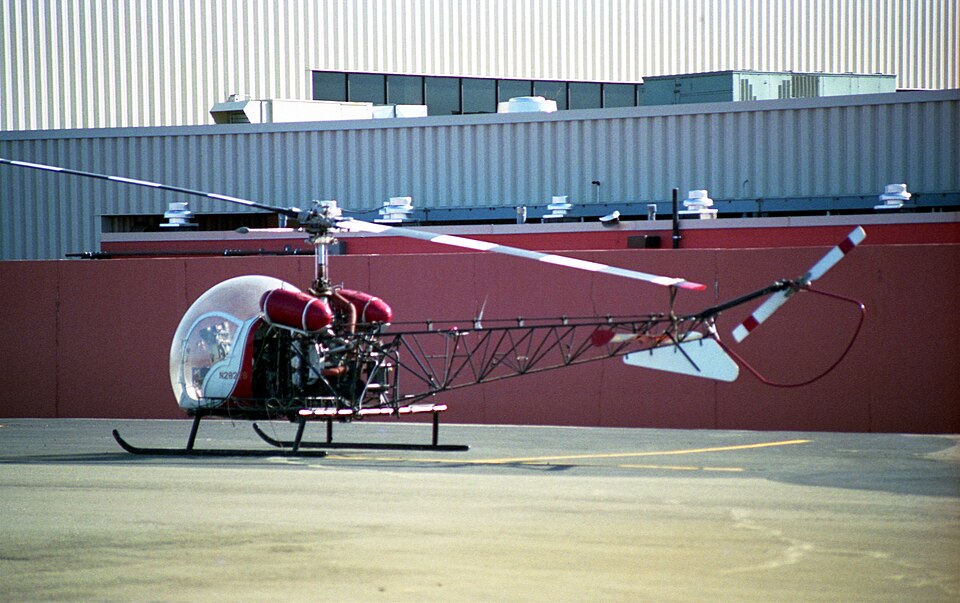
A helicopter accident occurred during a dual instructional flight involving a student and an instructor. The purpose of the flight was to practice pinnacle landings, a common training maneuver at a widely used 3,000-foot landing area. The landing area is unobstructed for 360 degrees and is regularly utilized by helicopter operators for such training.
Flight Details
The instructor stated that he normally would not conduct pinnacle work with a full fuel load. However, as the student was ready for a checkride except for the pinnacle requirement, the instructor elected to perform the exercise immediately. Before selecting an approach, a high reconnaissance was conducted. The instructor chose an approach from the west, as he observed no blowing snow in that direction.
Accident Description
During the approach, at approximately 20 feet above ground level (AGL), the instructor noted a high sink rate. He took control of the helicopter and added power, but the helicopter continued to settle with power applied. The aircraft subsequently contacted the ground hard in a level attitude, resulting in the tail boom being severed.
Investigation Findings
An investigation conducted immediately after the accident revealed the presence of blowing snow, which indicated that the wind was coming from the east. This was contrary to the instructor's visual assessment, which had suggested no blowing snow from the west.