Casualties unknown

1983-06-24: Mcdonnell Douglas DC9-32 (N942N) — Las Vegas, NV

Las Vegas, NV, US

On June 24, 1983, a Mcdonnell Douglas DC9-32 (registration N942N) was involved in an aviation accident near Las Vegas, NV. Investigators recorded the probable cause as: Fatigue failure of the third-stage turbine blade, which caused secondary damage to guide vanes and the fourth-stage turbine wheel, leading to number six bearing failure and an oil leak into the exhaust area that caused a low-intensity fire. This summary draws on records from the U.S. National Transportation Safety Board (NTSB) historical archive.

Sourcesthe U.S. National Transportation Safety Board (NTSB) historical archivePrimary reportUpdated 1781061362Data APIEditorial standards
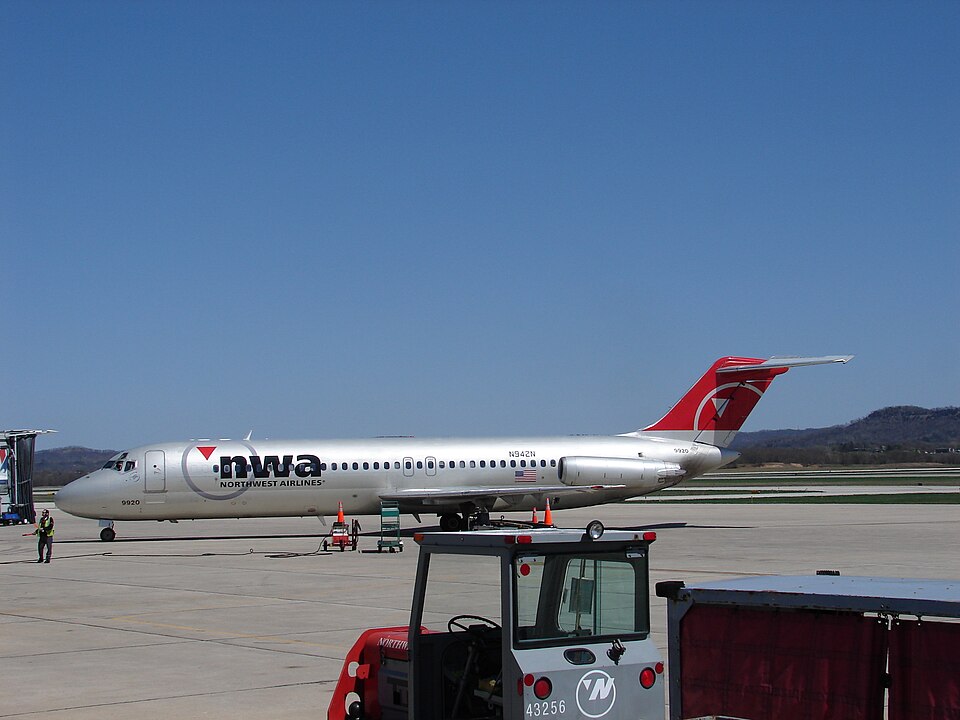
Aircraft registered N942N
Aircraft registered N942N. Photo: Cory W. Watts from Madison, Wisconsin, United States of America / CC BY-SA 2.0, via Wikimedia Commons

A fatigue-induced failure of a third-stage turbine blade caused secondary damage and an oil leak, resulting in a low-intensity fire during the ground run for takeoff.

What happened

During the ground run for takeoff, a critical mechanical failure occurred within the engine assembly. The incident began with a fatigue-precipitated failure of the third-stage turbine blade. This initial breakage resulted in secondary damage to several guide vanes as well as the fourth-stage turbine wheel.

The imbalance created by the damaged turbine wheel led to the subsequent failure of the number six bearing. This bearing failure allowed oil to leak into the exhaust area, which ultimately caused a low-intensity fire.

The investigation

The examination of the event focused on the sequence of mechanical failures within the turbine section. Investigators identified that the root cause was a fatigue failure in the third-stage turbine blade. This failure propagated through the system, damaging guide vanes and the fourth-stage turbine wheel.

Findings

The primary causal factor was fatigue failure of the third-stage turbine blade. This initial defect caused an imbalance in the turbine wheel, leading to the failure of the number six bearing and subsequent oil leakage into the exhaust area. The combination of leaking oil and hot exhaust components resulted in a low-intensity fire during the takeoff roll.

Probable cause

Fatigue failure of the third-stage turbine blade, which caused secondary damage to guide vanes and the fourth-stage turbine wheel, leading to number six bearing failure and an oil leak into the exhaust area that caused a low-intensity fire.

Investigation report by the U.S. National Transportation Safety Board (NTSB) historical archive. Original record: https://carol.ntsb.gov/event/20001214X43390. This page is a structured re-presentation; facts and quotes are in the National Transportation Safety Board (NTSB), United States.