What happened
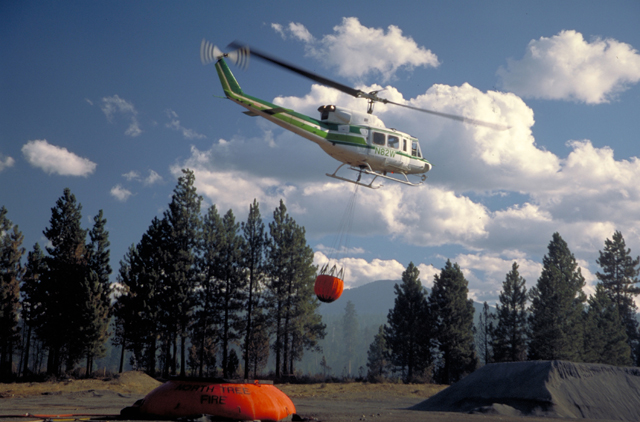
The helicopter had previously landed at the site to refuel. After completing the refueling process, the pilot initiated takeoff. During the initial climb phase, the aircraft's skid made contact with a cable that was attached to a fertilizer dispenser located near the hover spot. The snagging of the cable caused the helicopter to roll to the right and move forward. The aircraft came to rest on its left side, approximately 50 feet from the location where it had hovered prior to the incident.
The investigation
The investigation focused on the mechanical interaction between the helicopter's landing gear and the ground-based equipment. Investigators examined the point of contact and the condition of the cable. The findings confirmed that the skid had physically engaged with the tethering line of the agricultural machinery, leading to the loss of control during the low-altitude maneuver.
Findings
The primary factor in this accident was the proximity of the helicopter's flight path to ground obstacles during a critical phase of flight. The takeoff operation was compromised by the unsecured or poorly positioned cable associated with the fertilizer dispenser. The pilot failed to maintain sufficient clearance between the aircraft's skids and the fixed object, resulting in the rollover.
Safety message
Pilots operating helicopters in agricultural or industrial environments must exercise extreme caution during low-level maneuvers. It is essential to identify and mark all ground hazards, including cables, lines, and equipment tethers, prior to flight operations. Adequate clearance should be maintained between the aircraft's landing gear and any fixed objects to prevent snagging incidents.