What happened
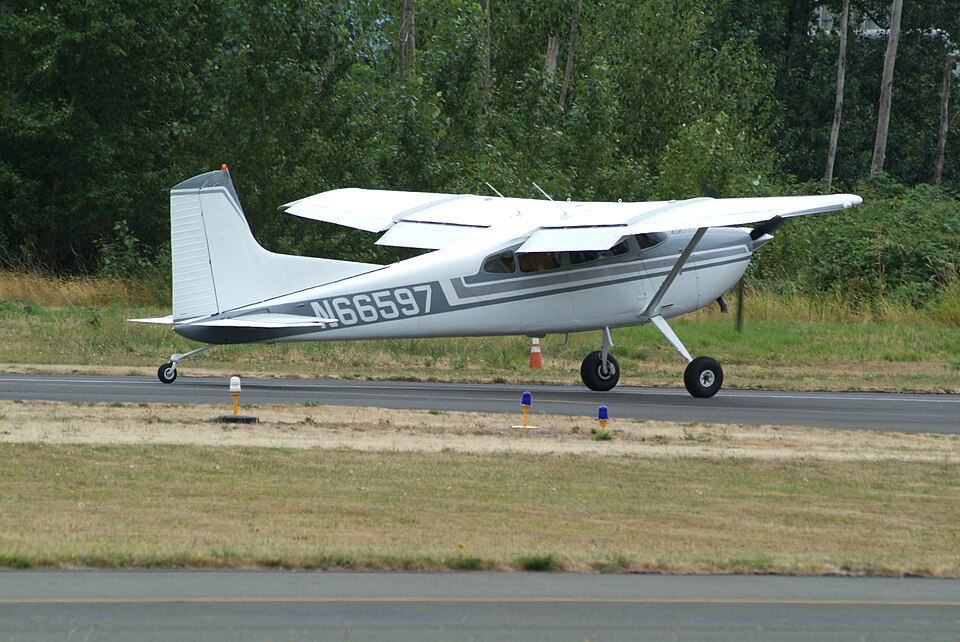
The pilot was conducting a takeoff operation under challenging wind conditions. At the time of the event, the ambient wind speed was reported at 35 knots with gusts reaching up to 40 knots. The aircraft was configured with flaps extended for the departure.
Upon rotation, the aircraft became airborne in a three-point attitude. Within two to three feet of the ground, the aircraft began an uncommanded left turn. This lateral deviation caused the wingtip to drag along the surface. The subsequent impact forced the nose of the aircraft downward, resulting in a nosing-over incident.
The investigation
Post-incident interviews with the pilot revealed his assessment of the contributing factors. He acknowledged that raising the tail earlier during the rotation phase would have been appropriate. Additionally, he noted that the use of flaps was not necessary for this specific takeoff profile and may have exacerbated the handling difficulties in the high-wind environment.
Findings
The primary factors leading to the accident were the strong crosswind conditions and the pilot's decision-making regarding configuration. The gusting winds created significant turbulence during the critical low-altitude phase of flight. The combination of flap extension and delayed tail-up rotation contributed to the loss of directional control and subsequent ground contact.