Casualties unknown

Short-field training flight results in wing separation after tree impact (N95007)

Hampton, NH, US

On June 5, 1984, a Piper PA-28-140 (registration N95007) was involved in an aviation accident near Hampton, NH. Investigators recorded the probable cause as: Inadequate aircraft performance during takeoff due to a short, soft, uphill runway with a strong crosswind, resulting in impact with a tree. This summary draws on records from the U.S. National Transportation Safety Board (NTSB) historical archive.

Sourcesthe U.S. National Transportation Safety Board (NTSB) historical archivePrimary reportUpdated 2026-06-23Data APIEditorial standards
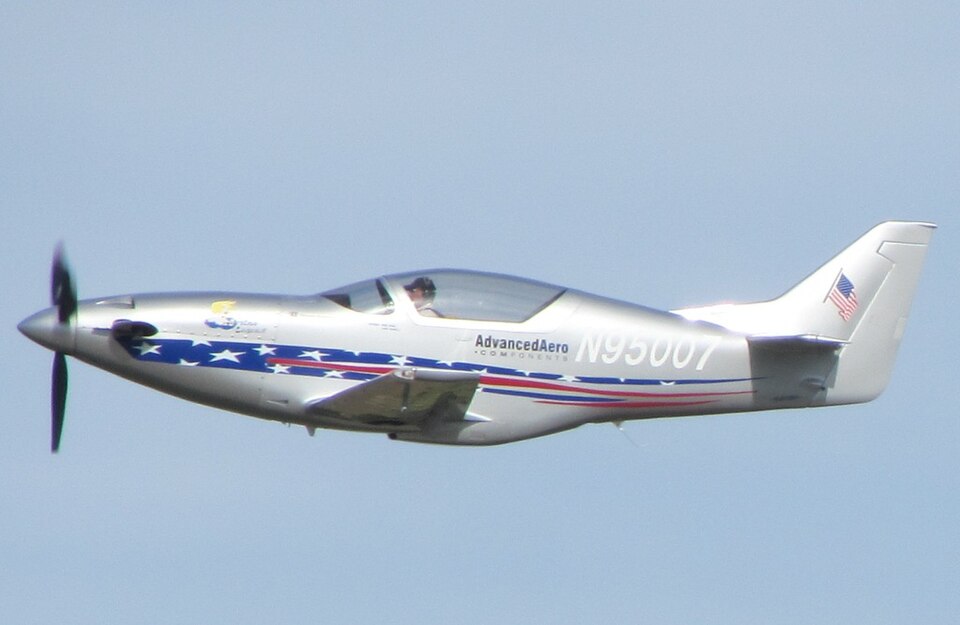
Aircraft registered N95007
Aircraft registered N95007. Photo: FlugKerl2 / CC BY-SA 3.0, via Wikimedia Commons

A pilot attempting to gain experience in short and soft field operations took off from a runway that was short, soft, uphill, and had a strong crosswind. The aircraft failed to clear an obstacle near the runway end.

What happened

The flight was conducted for the purpose of obtaining actual experience in short and soft field operations. The pilot initiated takeoff on a runway that presented multiple challenges: it was not only short and soft but also inclined uphill with a 70-degree left crosswind component.

Under these adverse conditions, the aircraft's performance was inadequate to clear an 80-foot tree located just 200 feet from the runway end. The aircraft impacted the tree, which resulted in the separation of the right wing.

The investigation

The investigation focused on the takeoff performance and the physical damage sustained during the incident. The primary finding was that the aircraft could not achieve sufficient altitude or distance to clear the obstacle given the runway characteristics and wind conditions.

Findings

  • Inadequate aircraft performance due to short, soft, and uphill runway combined with a 70-degree left crosswind.
  • Impact with an 80-foot tree situated 200 feet from the runway end.
  • Separation of the right wing as a direct result of the collision.

Safety message

Pilots conducting short and soft field operations must carefully evaluate all runway variables, including surface condition, slope, and crosswind components. These factors significantly reduce aircraft performance and may prevent clearing obstacles near the departure end of the runway.

Probable cause

Inadequate aircraft performance during takeoff due to a short, soft, uphill runway with a strong crosswind, resulting in impact with a tree.

Frequently asked questions

What happened in the 5 Jun 1984 Piper PA-28-140 accident near Hampton, NH?

A pilot attempting to gain experience in short and soft field operations took off from a runway that was short, soft, uphill, and had a strong crosswind. The aircraft failed to clear an obstacle near the runway end.

What aircraft was involved and where did it happen?

The accident on 5 Jun 1984 involved a Piper PA-28-140, registration N95007, at Hampton, NH.

What was the probable cause of the accident?

Inadequate aircraft performance during takeoff due to a short, soft, uphill runway with a strong crosswind, resulting in impact with a tree.

Investigation report by the U.S. National Transportation Safety Board (NTSB) historical archive. Original record: https://carol.ntsb.gov/event/20001214X40093. This page is a structured re-presentation; facts and quotes are in the National Transportation Safety Board (NTSB), United States.