Casualties unknown

1984-10-20: Beech A-36 (N6316C) — Hangar One, Inc. — Commerce, GA

Commerce, GA, US

On October 20, 1984, a Beech A-36 (registration N6316C) operated by Hangar One, Inc. was involved in an aviation accident near Commerce, GA. Investigators recorded the probable cause as: The pilot's failure to ensure the left fuel tank cap was properly secured, resulting in fuel exhaustion and a subsequent forced landing. This summary draws on records from the U.S. National Transportation Safety Board (NTSB) historical archive; 1 related events involving the same aircraft type or operator are linked below.

Sourcesthe U.S. National Transportation Safety Board (NTSB) historical archivePrimary reportUpdated 1781061362Data APIEditorial standards
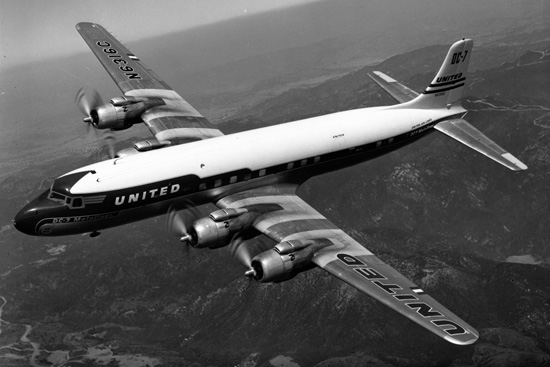
Aircraft registered N6316C
Aircraft registered N6316C. Photo: San Diego Air and Space Museum Archive / Public domain, via Wikimedia Commons

A pilot experienced repeated engine power loss due to fuel siphoning from an improperly sealed left tank cap, resulting in a controlled gear-up landing in a pasture north of Athens, Georgia.

What happened

Following an initial climb to 8,000 feet, the pilot observed fuel escaping through the left fuel tank cap. For the subsequent hour and twenty minutes, the flight continued using only the left tank, attempting to consume the remaining fuel before it was entirely lost. Approximately six miles north of Athens, Georgia, the engine lost power, prompting the pilot to request emergency clearance from Air Route Traffic Control Center (ARTCC) for a landing at Athens. The pilot reported that adjusting the mixture control allowed the engine to resume normal operation. After notifying ARTCC, the flight proceeded northward. About 24 miles further along the route, the engine failed again. The pilot executed an intentional gear-up landing in an unimproved pasture.

The investigation

A post-accident examination of the wreckage confirmed significant fuel leakage originating from the left tank cap. No fuel remained in the left tank at the time of impact. A successful test run of the engine revealed no mechanical malfunctions, indicating the engine itself was operational prior to fuel starvation.

Probable cause

The pilot's failure to ensure the left fuel tank cap was properly secured, resulting in fuel exhaustion and a subsequent forced landing.

Investigation report by the U.S. National Transportation Safety Board (NTSB) historical archive. Original record: https://carol.ntsb.gov/event/20001214X41278. This page is a structured re-presentation; facts and quotes are in the National Transportation Safety Board (NTSB), United States.