Casualties unknown

1985-09-03: Mcdonnell Douglas DC-10-10 (N112AA) — Abilene, TX

Abilene, TX, US

On September 3, 1985, a Mcdonnell Douglas DC-10-10 (registration N112AA) was involved in an aviation accident near Abilene, TX. Investigators recorded the probable cause as: The fire warning was caused by a separated bleed air duct due to fatigue, which melted the fire warning circuit. This summary draws on records from the U.S. National Transportation Safety Board (NTSB) historical archive.

Sourcesthe U.S. National Transportation Safety Board (NTSB) historical archivePrimary reportUpdated 1781061362Data APIEditorial standards
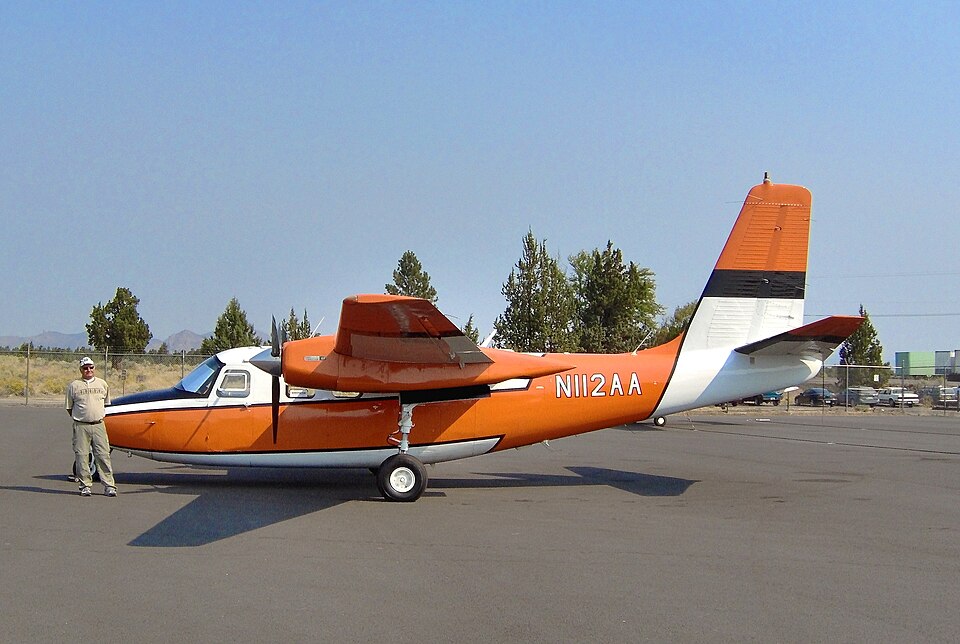
Aircraft registered N112AA
Aircraft registered N112AA. Photo: Tequask / CC BY-SA 4.0, via Wikimedia Commons

An American Airlines DC-10 en route from El Paso to Dallas/Fort Worth experienced a fire warning for engine #3. The crew performed emergency procedures and landed at Dyess AFB. During evacuation, one passenger received minor injuries and 20 were treated for abrasions and bruises.

Incident Overview

An American Airlines DC-10, while en route from El Paso, Texas, to Dallas/Fort Worth Airport, Texas, received a fire warning for engine #3. The flight crew executed the prescribed emergency procedures, but the warning light remained illuminated. The crew subsequently made an emergency landing at Dyess Air Force Base in Abilene, Texas.

Evacuation and Injuries

Following the landing, passengers evacuated via the left side of the aircraft. During the evacuation, the aft slide at door L4 deflated. One passenger sustained minor injuries. Additionally, 20 passengers were treated for various abrasions and bruises and were later released.

Cause of Fire Warning

Investigation determined that the fire warning was caused by a separated bleed air duct. The duct separation resulted from fatigue, which led to the melting of the fire warning circuit.

Slide Deflation

The reason for the deflation of the L4 slide has not been positively determined.

Probable cause

The fire warning was caused by a separated bleed air duct due to fatigue, which melted the fire warning circuit.

Investigation report by the U.S. National Transportation Safety Board (NTSB) historical archive. Original record: https://carol.ntsb.gov/event/20001214X37782. This page is a structured re-presentation; facts and quotes are in the National Transportation Safety Board (NTSB), United States.