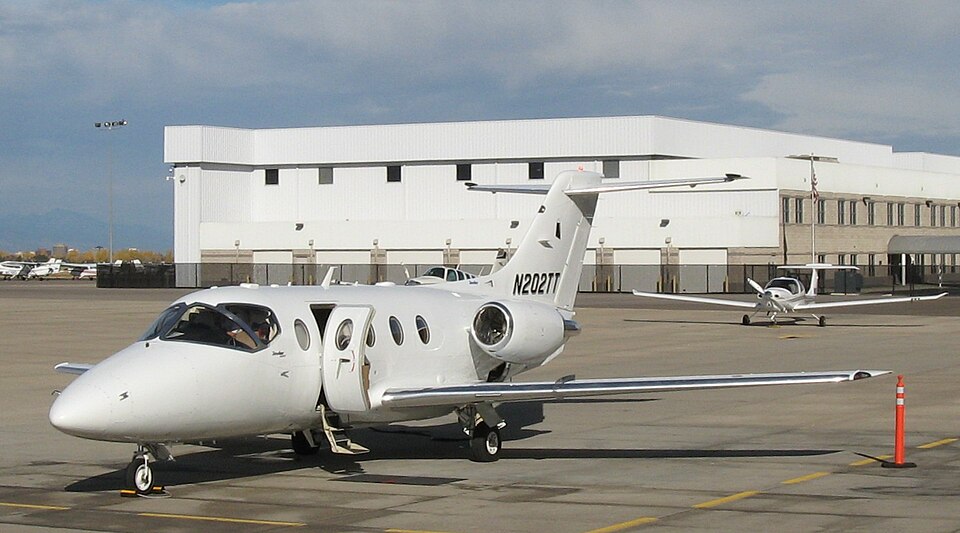
What happened
During the landing phase, the aircraft experienced a loss of control while attempting to touch down. As the pilot initiated the flare, the airplane banked sharply to the right. This attitude caused the aircraft to strike the runway surface at an abnormal angle.
Upon impact, the aircraft bounced back into the air and subsequently landed on its left main landing gear. The force of this secondary impact caused both the left main gear and the nose gear to collapse. Following the structural failure, the airplane slid off the left side of the runway.
The investigation
Investigation of the event focused on the sequence of events leading to the gear collapse. Examination confirmed that the primary cause of the damage was the initial loss of control during the flare phase. The sharp right bank resulted in an asymmetric impact with the runway, which overloaded the landing gear structure beyond its design limits.
Findings
Several factors contributed to the accident. The most critical factor was the loss of control during the final approach and flare. The aircraft's lateral instability led to the hard, off-balance touchdown that destroyed the landing gear system. Environmental conditions at the time included wind from 320 degrees at 12 knots, gusting to 21 knots. These crosswind conditions may have challenged the pilot's ability to maintain directional control during the critical flare phase.
The left main gear and nose gear were destroyed as a direct result of the bounce and subsequent ground contact. No other mechanical failures were identified prior to the impact. The accident highlights the importance of maintaining proper lateral control during landing, particularly in gusty wind conditions.