Casualties unknown

1986-09-26: Mcdonnell Douglas DC-9-51 (N402EA) — Raleigh-durham, NC

Raleigh-durham, NC, US

On September 26, 1986, a Mcdonnell Douglas DC-9-51 (registration N402EA) was involved in an aviation accident near Raleigh-durham, NC. Investigators recorded the probable cause as: A hard landing during a visual approach to runway 23L under calm wind conditions, which resulted in minor damage to the aircraft despite the aircraft being on the proper glidepath at approximately 100 feet above ground level. This summary draws on records from the U.S. National Transportation Safety Board (NTSB) historical archive.

Sourcesthe U.S. National Transportation Safety Board (NTSB) historical archivePrimary reportUpdated 1781061362Data APIEditorial standards
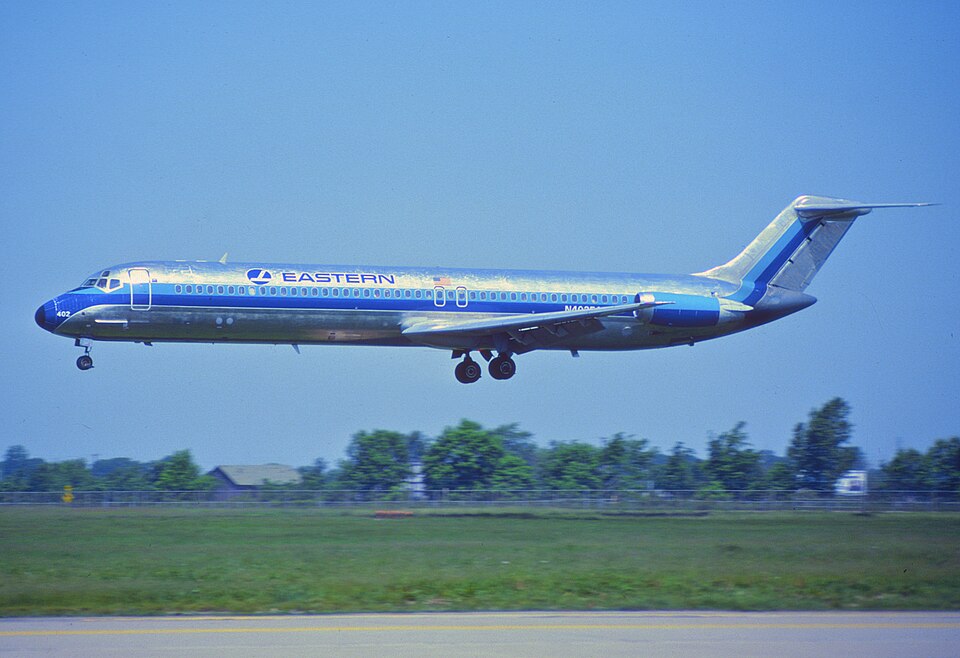
Aircraft registered N402EA
Aircraft registered N402EA. Photo: Aero Icarus from Zürich, Switzerland / CC BY-SA 2.0, via Wikimedia Commons

A flight crew conducting a visual approach to runway 23L experienced a hard landing at approximately 100 feet above ground level, resulting in minor damage to the aircraft with no reported injuries.

What happened

During the descent phase of the operation, the flight crew initiated a visual approach to runway 23L under conditions characterized by calm winds. As the aircraft progressed along the final approach segment, the crew monitored their position relative to the standard glidepath.

When the aircraft reached an altitude of approximately 100 feet above ground level, it remained aligned with the proper glideslope for landing. Despite maintaining the correct vertical profile, the subsequent contact with the runway surface was harder than normal. The impact resulted in minor damage to the airframe, but no injuries were reported among those on board.

Findings

The primary factor contributing to the incident was the nature of the ground contact during the landing phase. Although the aircraft was correctly positioned on the glidepath at low altitude, the touchdown force exceeded standard parameters, leading to structural stress that caused minor damage.

Probable cause

A hard landing during a visual approach to runway 23L under calm wind conditions, which resulted in minor damage to the aircraft despite the aircraft being on the proper glidepath at approximately 100 feet above ground level.

Investigation report by the U.S. National Transportation Safety Board (NTSB) historical archive. Original record: https://carol.ntsb.gov/event/20001213X34757. This page is a structured re-presentation; facts and quotes are in the National Transportation Safety Board (NTSB), United States.