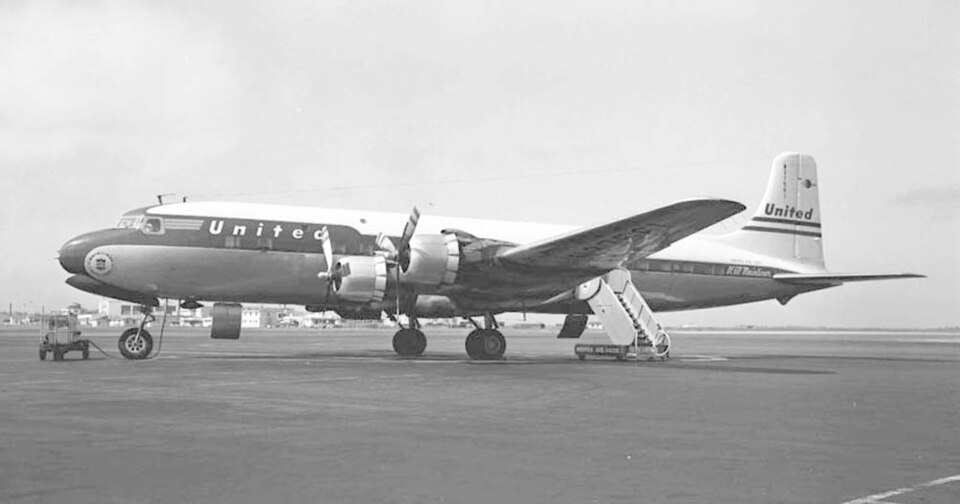
What happened
The accident occurred during the transition phase of an instrument approach, specifically as the pilot was maneuvering from a Distance Measuring Equipment (DME) arc onto the Instrument Landing System (ILS) final approach course. During this critical segment, the aircraft descended prematurely and impacted the ground. The exact reason for this unauthorized descent could not be determined by investigators.
The investigation
A thorough examination of the wreckage was conducted to rule out mechanical failures. No pre-impact mechanical malfunction with the aircraft was found. Additionally, there was no evidence supporting pilot incapacitation as a contributing factor. The weather conditions at the time were challenging, characterized by dark night operations in fog with low ceilings.
Findings
The primary finding relates to the flight path deviation during the approach transition. The pilot allowed the aircraft to descend below the safe altitude before establishing the final approach course. Contributing factors included the dark night conditions and fog with low ceilings, which likely reduced visual references and situational awareness during the complex maneuver.
Safety message
Pilots must maintain strict adherence to published approach procedures, particularly during transitions between navigation aids. Caution is required when operating in low visibility and dark conditions to prevent premature descents.