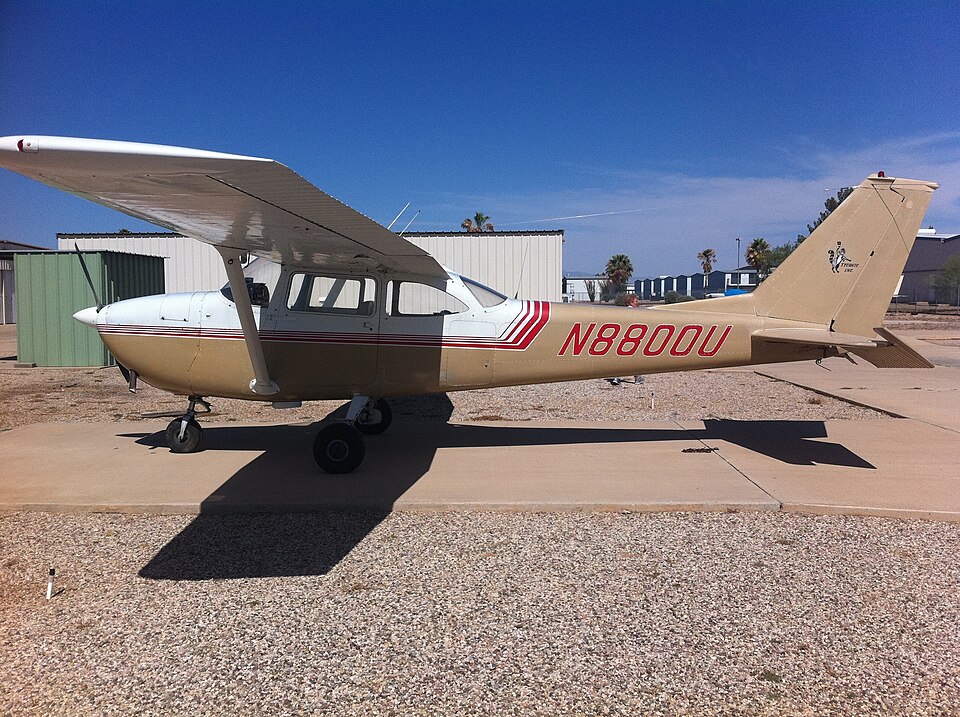
What happened
The incident occurred while the aircraft was en route to its destination airport. Approximately ten miles from the airfield, the pilot noticed the engine performance deteriorating significantly. The powerplant began to slow down unexpectedly, prompting immediate emergency procedures to attempt to restore operation or prepare for a forced landing.
Despite the crew's efforts to address the mechanical issue, the engine ceased functioning entirely two miles from the runway threshold. With no option to reach the airport, the pilot executed a forced landing in an adjacent plowed field. During the impact sequence, the nose wheel dug into the soft ground, causing the aircraft to pitch forward violently. The force of the collision caused the plane to flip forward, coming to rest in an inverted position.
The investigation
Following the accident, investigators examined the wreckage and the circumstances surrounding the event. They sought to determine the root cause of the sudden power loss. However, the investigation did not reveal any mechanical reason for the engine failure. No specific component malfunction or external factor was identified as the cause of the stoppage.
Findings
The primary outcome of the event was the structural damage sustained during the inverted landing. The lack of a diagnosed mechanical fault leaves the exact trigger for the power loss undetermined, though the sequence of events clearly led to the severe impact with the terrain.