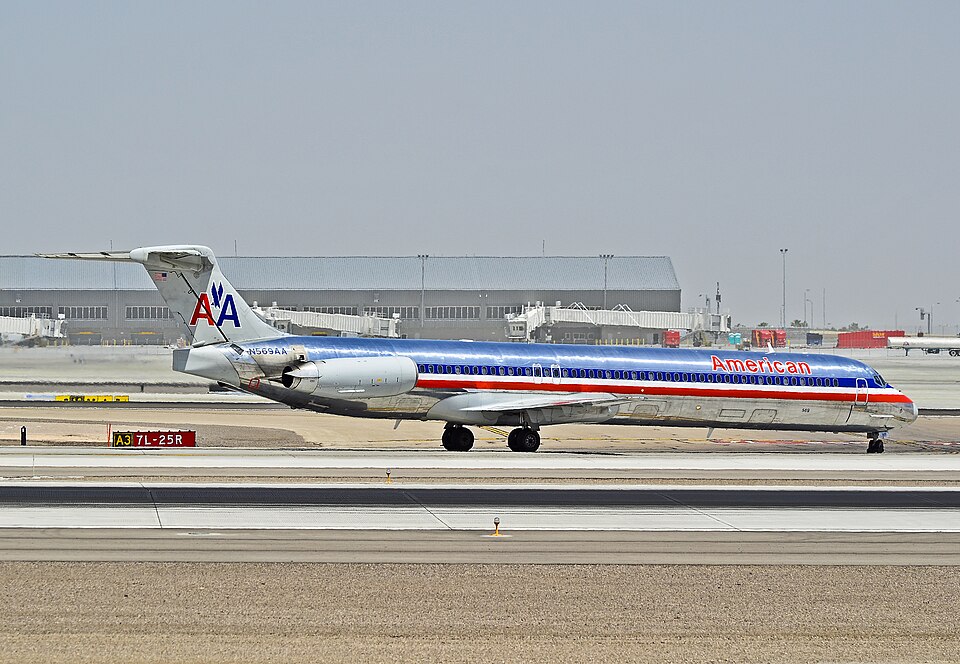
Incident Overview
American Flight 132 was loaded with undeclared and improperly marked hazardous materials (HM) packed in a fiber drum. The drum contained 5 gallons of 50% hydrogen peroxide solution, an oxidizer, and 25 pounds of Textreat S-W, a corrosive agent consisting of a sodium orthosilicate-based mix. The shipment was arranged by Textile Treatments International.
Loading and Leak
The fiber drum was loaded on its side in the midcargo compartment, which was a Class-D compartment. During the flight, the hazardous materials leaked, generating heat. Just before landing, smoke entered the passenger cabin.
Crew Response
The captain, who was aware of a report of APU fumes on a previous flight, was skeptical of the reported smoke. After landing, the captain notified air traffic control of a possible cargo compartment fire and requested crash, fire, and rescue (CFR) services. The aircraft was evacuated on the taxiway.
Injuries
Four flight attendants, nine passengers, two CFR personnel, and three ground personnel suffered smoke inhalation, eye irritation, or minor injury.
Investigation Findings
An investigation revealed that the shipper lacked knowledge about the restrictions and requirements for shipping hazardous materials. Procedures for detecting undeclared hazardous material shipments were inadequate. The absence of heat and smoke detection equipment, along with insufficient flight crew communication, resulted in a delay in detecting the in-flight fire and declaring an emergency. The inadequate design of the cargo compartment and the lack of a fire extinguisher reduced the ability to stop or prevent the spread of fire.
Reference
The investigation report is documented as NTSB/HZM-88/02.