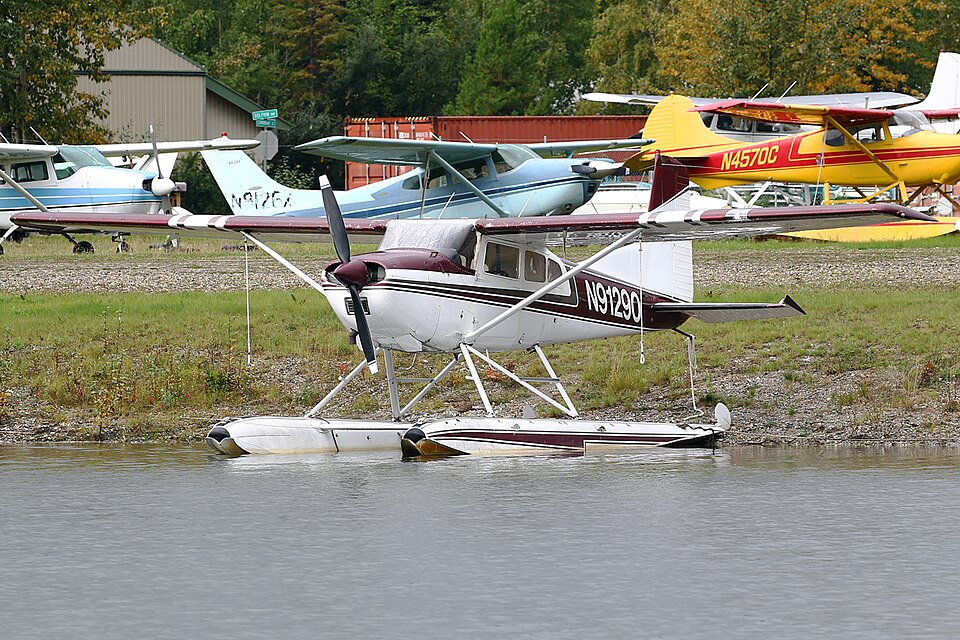
What happened
The pilot was operating an aircraft on a cross-country flight plan with Fairbanks International Airport as the intended destination. As the flight progressed, weather conditions at the destination deteriorated significantly, prompting the decision to return. During the approach and landing phase, the pilot reported that the airplane felt out of trim. To ensure a safe arrival despite the challenging conditions, the pilot elected to utilize the longest runway available at the airport, which measured 10,300 feet.
During the landing roll on this extended runway, the aircraft lost directional control. The pilot was unable to maintain the centerline, causing the airplane to ground-loop sharply to the right. Following the incident, the pilot disclosed that she had not flown for at least 90 days prior to the accident, indicating a significant gap in recent flight experience.
The investigation
The investigation focused on the mechanical condition of the aircraft and the circumstances surrounding the loss of control. Examination revealed no evidence of pre-impact mechanical failure or malfunction that would have impaired normal operation. The primary factors identified were the deteriorating weather conditions that necessitated the return to Fairbanks and the pilot's lack of recent flight experience, which likely contributed to the difficulty in maintaining directional control during the landing roll.
Findings
Several key factors contributed to this accident. The deteriorating weather at the destination airport forced a change in flight plans and added complexity to the approach. The aircraft felt out of trim during the flight, which may have affected handling qualities. Most critically, the pilot had not flown for at least 90 days, suggesting that proficiency issues played a role in the inability to maintain directional control during the landing roll on the long runway.
Safety message
Pilots planning flights into areas with variable weather should monitor conditions closely and have alternate plans. Additionally, maintaining regular flight activity is essential for preserving proficiency, particularly in handling aircraft during critical phases of flight such as landing.