No fatalities

Engine Failure Leads to Forced Landing in Soft Field (N33332)

Aurora, IL, US

On July 9, 1990, a Piper PA28-151 (registration N33332) was involved in an aviation accident near Aurora, IL. No fatalities were reported. Investigators recorded the probable cause as: FUEL EXHAUSTION. A FACTOR IN THE ACCIDENT WAS INACCURATE FUEL CONSUMPTION CALCULATIONS BY THE PILOT. This summary draws on records from the U.S. National Transportation Safety Board (NTSB) historical archive.

Sourcesthe U.S. National Transportation Safety Board (NTSB) historical archivePrimary reportUpdated 2026-07-04Data APIEditorial standards
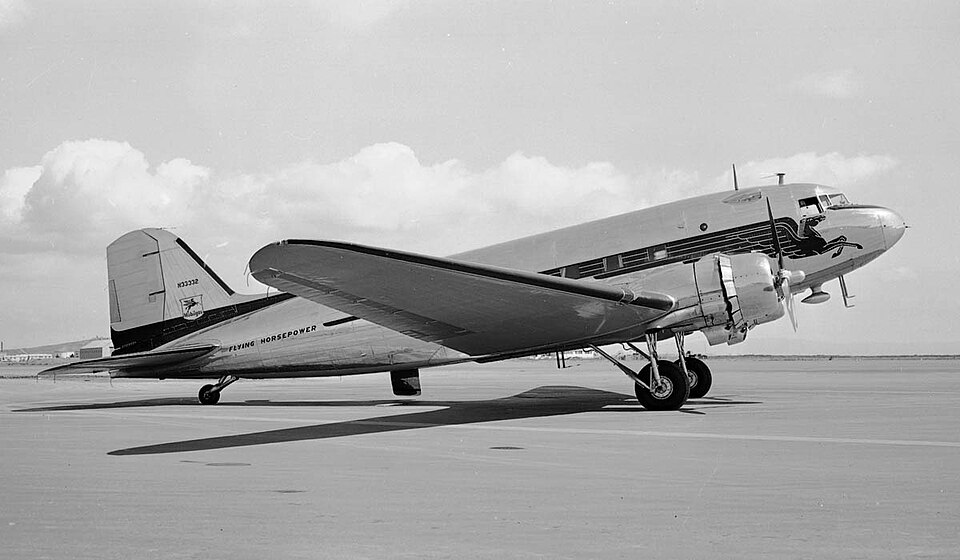
Aircraft registered N33332
Aircraft registered N33332. Photo: Bill Larkins / CC BY-SA 2.0, via Wikimedia Commons

During a cross-country flight, the pilot experienced total engine failure. ATC vectored to an airfield, but the pilot landed in a soft field. The aircraft was substantially damaged; no injuries. Investigation found fuel exhaustion.

Introduction

A pilot and two passengers were on a cross-country flight when the aircraft's engine failed entirely. The pilot had made this same trip on multiple occasions with a comparable amount of fuel. The incident concluded with an emergency landing in a soft field, resulting in substantial damage but no injuries.

Sequence of Events

The engine failure occurred while the aircraft was still 12 miles from its planned destination. Air traffic control provided vectors to the nearest airfield. Despite this guidance, the pilot chose to land in a soft field approximately 1.5 miles from that airfield. Upon landing, the aircraft sustained substantial damage. The pilot and the two passengers were uninjured.

Investigation Findings

Following the accident, investigators examined the aircraft's fuel system. The right fuel tank was found to be empty. Draining the left tank yielded only about one pint of fuel. The total fuel remaining on board was insufficient for continued flight.

Pilot Statement

The pilot stated that he had completed the same cross-country trip several times before with the same amount of fuel that was present at takeoff. Based on his prior experience, he had not expected fuel exhaustion to occur.

Frequently asked questions

What happened in the 9 Jul 1990 Piper PA28-151 accident near Aurora, IL?

During a cross-country flight, the pilot experienced total engine failure. ATC vectored to an airfield, but the pilot landed in a soft field. The aircraft was substantially damaged; no injuries. Investigation found fuel exhaustion.

Were there any fatalities in the 9 Jul 1990 Piper PA28-151 accident?

No fatalities were recorded in this accident.

What aircraft was involved and where did it happen?

The accident on 9 Jul 1990 involved a Piper PA28-151, registration N33332, at Aurora, IL.

What was the probable cause of the accident?

FUEL EXHAUSTION. A FACTOR IN THE ACCIDENT WAS INACCURATE FUEL CONSUMPTION CALCULATIONS BY THE PILOT.

Investigation report by the U.S. National Transportation Safety Board (NTSB) historical archive. Original record: https://carol.ntsb.gov/event/20001212X23635. This page is a structured re-presentation; facts and quotes are in the National Transportation Safety Board (NTSB), United States.