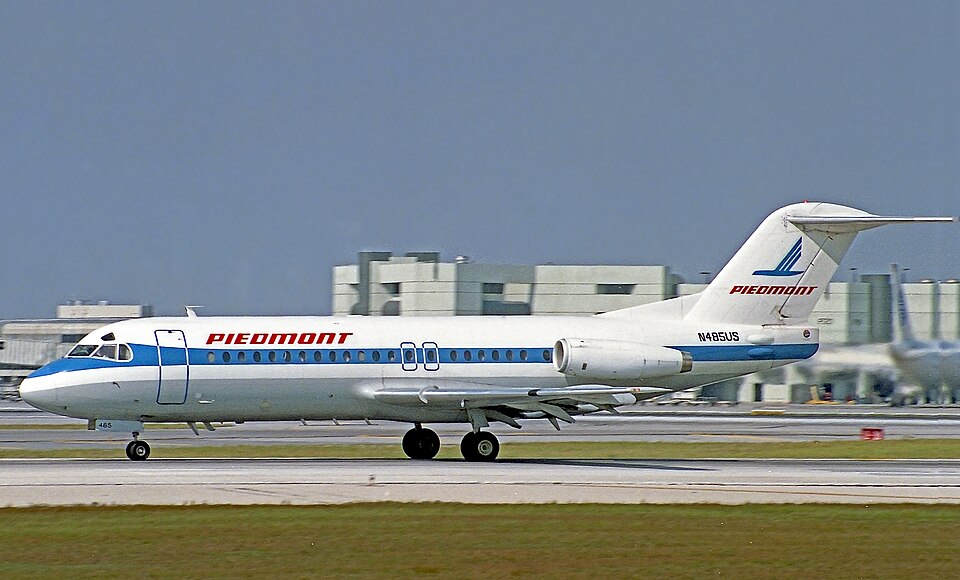
Accident Sequence
The airplane had been deiced twice before leaving the gate. However, 35 minutes elapsed between the second deicing and takeoff, during which time ice accumulated on the wing. This time period exceeded the Type I deicing fluid safe holdover time of 11 minutes.
During the takeoff roll, the first officer called Vr 11 knots early, and the captain rotated about 5 knots early. After liftoff, the airplane stalled and came to rest partially inverted and submerged in the bay.
Operational Factors
At the time of the accident, the operator did not require a specific exterior inspection for ice contamination of F-28 airplanes during periods of freezing precipitation. Accident history shows that non-slatted, turbojet, transport-category airplanes have been involved in a disproportionate number of takeoff accidents where undetected upper wing ice contamination has been cited as the probable cause or sole contributing factor.