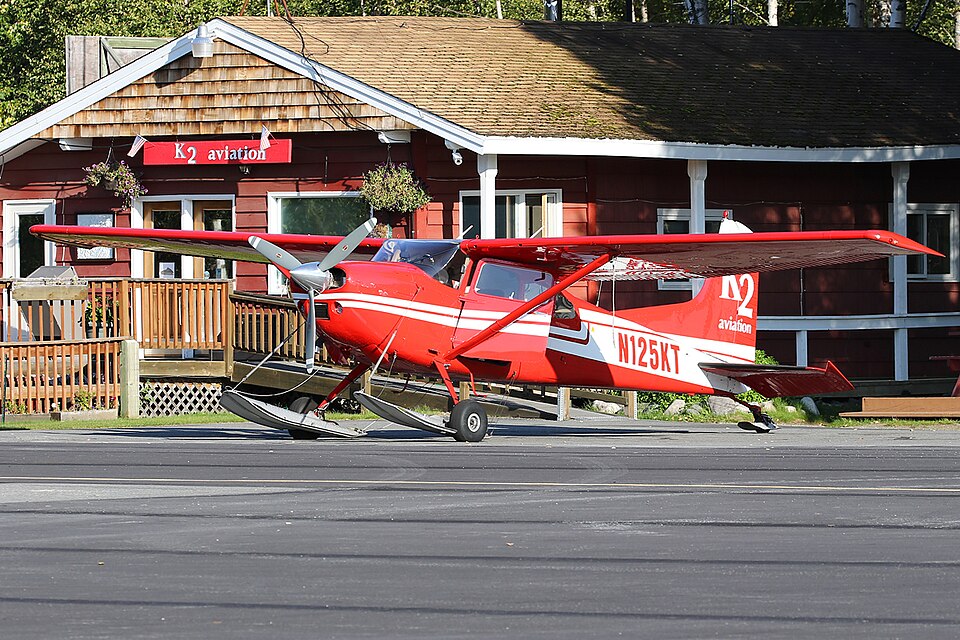
Accident Overview
A Cessna 185F was involved in a loss of directional control during an attempted short field landing. The aircraft departed the runway, ground looped, and dragged a wing. The pilot reported that the tailwheel developed a vibration or shimmy during the landing roll.
Sequence of Events
While attempting a short field landing, the pilot was unable to maintain directional control. The aircraft left the runway surface, executed a ground loop, and one of its wings contacted the ground. After the accident, the pilot stated that the tailwheel began to vibrate or shimmy during the landing roll. As the aircraft started to veer off the runway, the pilot applied opposite rudder and brake but could not stop the departure from the runway.
Pilot Report
The pilot indicated that the tailwheel shimmy occurred during the landing roll. When the aircraft began to veer, the pilot used opposite rudder and brake inputs, but these were insufficient to maintain directional control, leading to the runway excursion and ground loop.