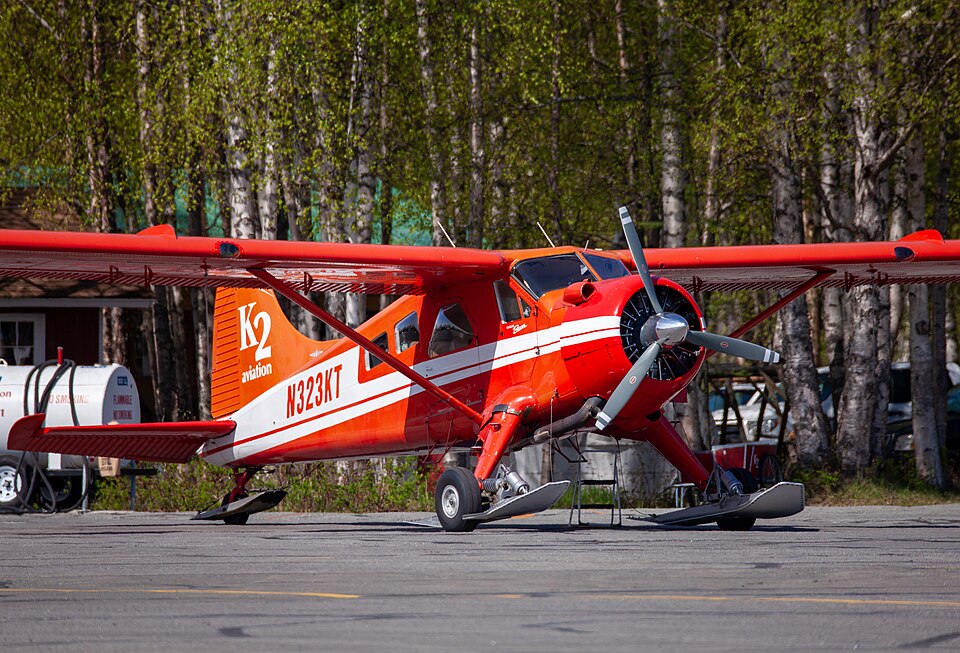
Accident Summary
A commercial pilot was conducting a 1-hour air tour flight over Denali National Park and Preserve with four passengers on board. About 48 minutes after departure, the Alaska Rescue Coordination Center received an alert from the airplane's emergency locator transmitter. Approximately seven minutes later, company personnel received a call from the pilot, who reported that the airplane had run "into the side of a mountain."
Search and Recovery
A search was initiated almost immediately, but due to poor weather conditions in the area, the wreckage was not located for nearly 36 hours. The accident site was on a glacier at about 10,920 feet mean sea level, within a crevasse. The steepness of terrain, the crevasse, avalanche hazard, and the condition of the airplane prevented recovery of both occupants and wreckage.
Weather and Impact Evidence
A weather model sounding for the accident area estimated broken cloud bases at 700 feet above ground level (agl) with overcast clouds at 1,000 feet agl and cloud tops to 21,000 feet agl. The freezing level was at 9,866 feet, supporting light-to-moderate rime icing in clouds and precipitation. On-scene assessment indicated that the right wing impacted snow while the airplane was in a wings-level attitude, and the right wing separated from the remainder of the wreckage. Based on available weather data, forecast models, and impact evidence, it is likely that the pilot entered an area of reduced visibility and was unable to see the terrain before impact.
Company Operations
The company's organizational structure had one group of management overseeing operations in both Anchorage and Talkeetna. Interviews revealed that management was not always aware of the exact routing a pilot would take for a tour; the route was at the pilot's discretion based on weather to provide the best tour experience. The company did not utilize a formal risk assessment process, relying instead on conversations between pilots and flight followers, which could lead to oversight of actual risk associated with a particular flight route and weather conditions.
Aftermath
About eight months after the accident, a National Park Service assessment flight determined that the hazardous hanging glacier at the accident site had calved, releasing an estimated 4,000 to 6,000 tons of ice and debris. No evidence of the airplane wreckage was found near the crash site, in the steep fall line, or on the glacier surface over 3,600 feet below. Although the known circumstances are consistent with a controlled flight into terrain event, factual information was limited because the wreckage was not recovered and no autopsy or toxicology of the pilot could be performed; therefore, whether other circumstances may have contributed to the accident could not be determined.