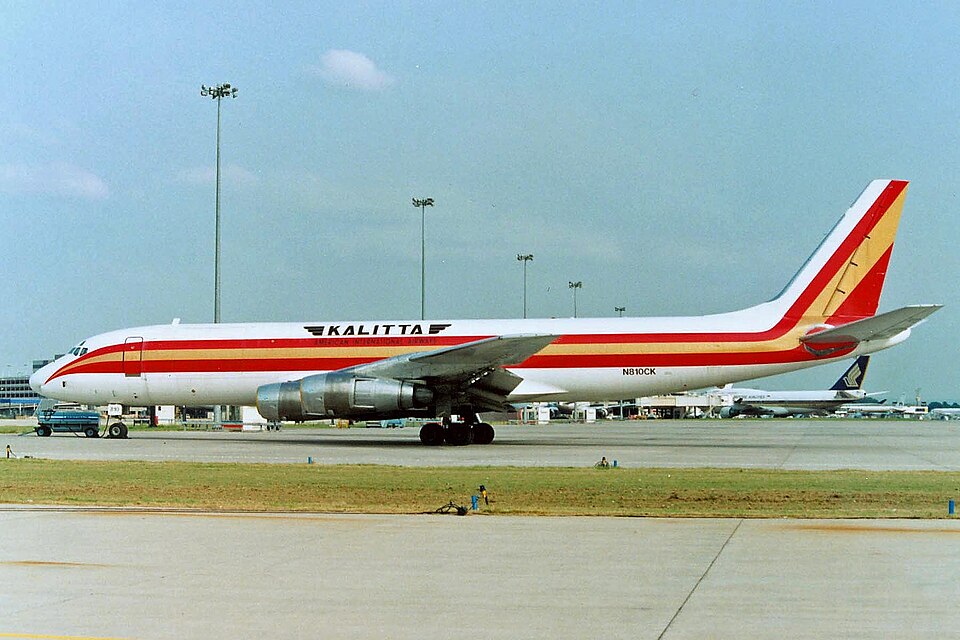
Incident Overview
A cargo flight operating under 14 CFR Part 121 experienced a severe clear air turbulence event while in cruise at Flight Level 310, approximately 20 miles west of Denver, Colorado. The turbulence induced major fluctuations in airspeed and caused significant oscillations in both pitch and roll axes.
Sequence of Events
During the departures from controlled flight resulting from the turbulence, the number one engine and a 19-foot section of the left wing leading edge separated from the aircraft. Additionally, the number four engine pylon sustained a crack and extensive structural damage. The flight crew executed a precautionary descent and subsequently landed without further incident at Stapleton International Airport in Denver, Colorado.
Preceding Conditions
Prior to the occurrence, the flight had been experiencing light to occasionally moderate chop. The forecast for the area included moderate to severe turbulence, which aligned with the conditions encountered.
Damage Assessment
The damage was confined to the left wing leading edge and the number one engine, which completely detached, and the number four engine pylon, which was cracked but remained attached. The extent of the damage required a careful approach and landing, which the crew managed successfully.
Conclusion
The aircraft sustained substantial damage but was able to land safely. No further information regarding the aircraft type, registration, or occupants was provided in the official report.