Casualties unknown

1993-09-12: Sikorsky C54A (N44094) — Chet Rasberry, Inc. — Anita Bay, AK

Anita Bay, AK, US

On September 12, 1993, a Sikorsky C54A (registration N44094) operated by Chet Rasberry, Inc. was involved in an aviation accident near Anita Bay, AK. Investigators recorded the probable cause as: The failure of the number two engine due to turbine blade damage, which occurred while the engine was operating within an FAA-approved military time-between-overhaul extension that exceeded the manufacturer's recommended limit. This summary draws on records from the U.S. National Transportation Safety Board (NTSB) historical archive; 1 related events involving the same aircraft type or operator are linked below.

Sourcesthe U.S. National Transportation Safety Board (NTSB) historical archivePrimary reportUpdated 1781061362Data APIEditorial standards
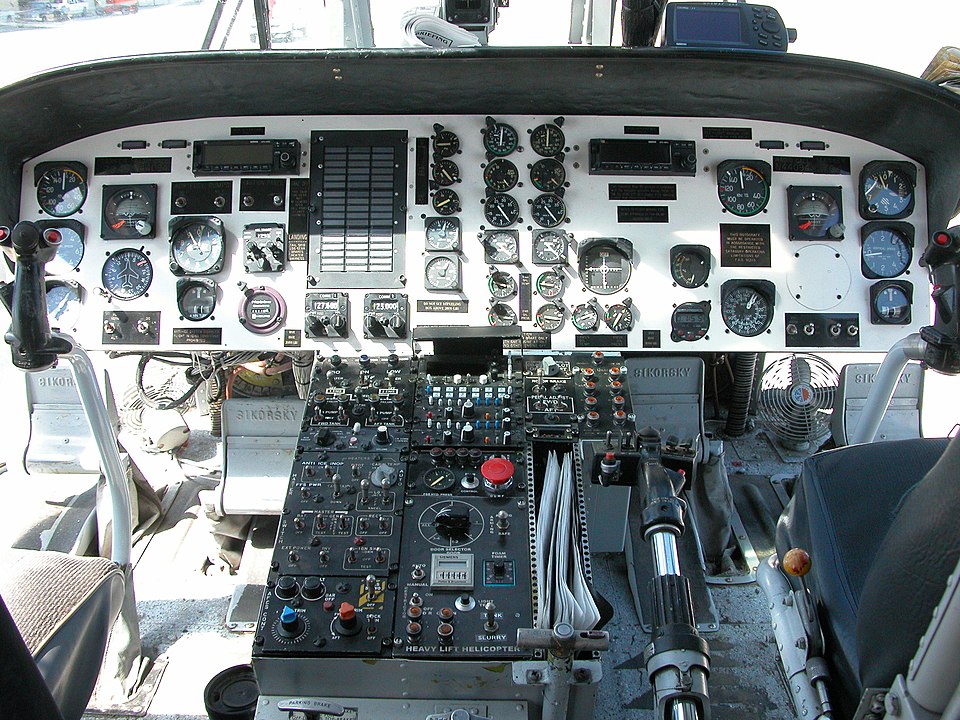
Aircraft registered N44094
Aircraft registered N44094. Photo: Alan Radecki / CC BY 2.5, via Wikimedia Commons

A helicopter suffered a catastrophic engine failure while hovering with an external load. The power turbine blades were damaged, and the engine case was severed.

What happened

The helicopter experienced a sudden failure of its number two engine during a hover maneuver for landing while carrying an external load.

The investigation

A post-accident examination of the failed engine revealed significant internal damage. All turbine blades were found to be bent, broken, or missing. Additionally, the engine case was severed into two parts immediately adjacent to the plane of rotation of the power turbine. However, the power turbine disc itself remained intact.

Findings

The engine had accumulated a total time of 2058 hours at the time of the failure. The manufacturer's recommended Time Between Overhaul (TBO) was 1800 hours. The operating company utilized a military TBO extension, which had been approved by the Federal Aviation Administration (FAA), allowing operations up to 2100 hours.

Safety message

The engine failure occurred within the bounds of an FAA-approved extension but exceeded the original manufacturer's TBO. This highlights the critical importance of adhering to established maintenance intervals and understanding the limits of any approved extensions.

Probable cause

The failure of the number two engine due to turbine blade damage, which occurred while the engine was operating within an FAA-approved military time-between-overhaul extension that exceeded the manufacturer's recommended limit.

Investigation report by the U.S. National Transportation Safety Board (NTSB) historical archive. Original record: https://carol.ntsb.gov/event/20001211X13282. This page is a structured re-presentation; facts and quotes are in the National Transportation Safety Board (NTSB), United States.