Casualties unknown

1993-09-15: Hughes 369D (N501RR) — Erickson Air Crane, Inc. — Georgetown, CA

Georgetown, CA, US

On September 15, 1993, a Hughes 369D (registration N501RR) operated by Erickson Air Crane, Inc. was involved in an aviation accident near Georgetown, CA. Investigators recorded the probable cause as: FAILURE OF THE PILOT TO MAINTAIN AIRCRAFT CONTROL AFTER IMPROPERLY PLANNING HIS APPROACH TO A HOVER BY AVOIDING CONDITIONS CONDUCIVE TO SETTLING WITH POWER. This summary draws on records from the U.S. National Transportation Safety Board (NTSB) historical archive.

Sourcesthe U.S. National Transportation Safety Board (NTSB) historical archivePrimary reportUpdated 1781061362Data APIEditorial standards
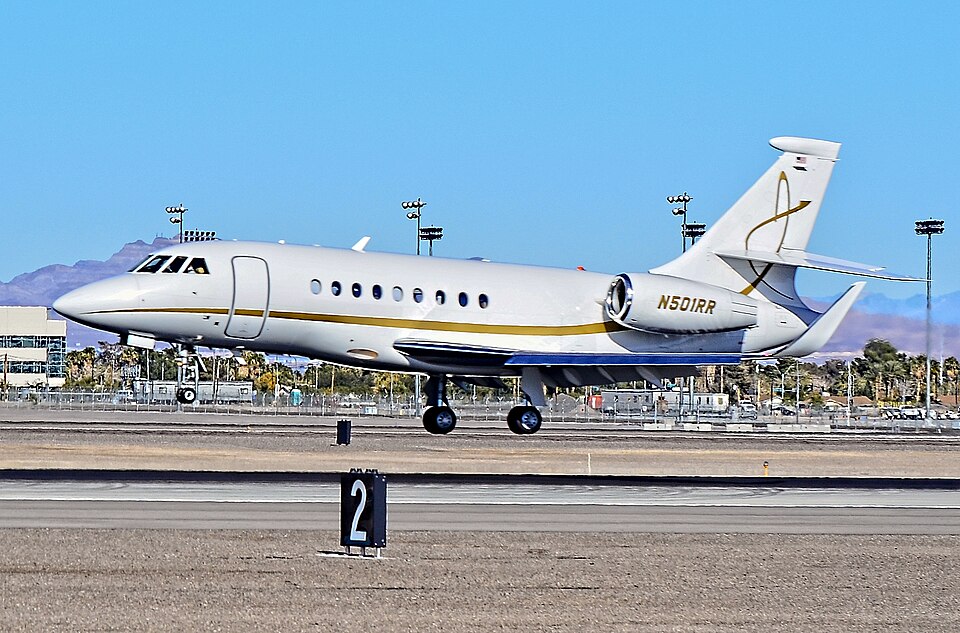
Aircraft registered N501RR
Aircraft registered N501RR. Photo: Tomás Del Coro from Las Vegas, Nevada, USA / CC BY-SA 2.0, via Wikimedia Commons

A helicopter conducting an external load operation in mountainous terrain experienced a violent vertical descent from a 500-foot hover, struck trees, and could not jettison the load; post-accident engine examination found no mechanical failures.

Incident Overview

A helicopter engaged in an external load operation in mountainous terrain descended uncontrollably into trees while hovering out of ground effect. The pilot reported maintaining a stabilized hover at 500 feet above ground level (AGL) when the aircraft unexpectedly entered a violent vertical descent. The pilot attempted to jettison the external load but was unable to do so before the helicopter collided with trees.

Post-Accident Examination

Following the accident, a detailed examination of the helicopter's engine revealed no mechanical failures or malfunctions. The engine appeared to have been operating normally prior to the event, with no indications of pre-impact defects.

Operational Context

The flight was conducting an external load operation in mountainous terrain, which often presents challenging aerodynamic conditions. Hovering out of ground effect requires additional power and stability, and the sudden loss of control suggests an aerodynamic or environmental factor, though the source does not specify further details.

Summary

The accident involved a controlled hover that transitioned into an uncontrolled descent, resulting in collision with trees. The inability to jettison the external load may have contributed to the severity of the impact. No mechanical reasons for the descent were found.

Investigation report by the U.S. National Transportation Safety Board (NTSB) historical archive. Original record: https://carol.ntsb.gov/event/20001211X13429. This page is a structured re-presentation; facts and quotes are in the National Transportation Safety Board (NTSB), United States.