Casualties unknown

Engine Power Loss Shortly After Takeoff Results in Collision with Trees (N14CL)

Jasper, AL, US

On January 9, 1994, a Piper PA-28-151 (registration N14CL) was involved in an aviation accident near Jasper, AL. Investigators recorded the probable cause as: The pilot's failure to maintain adequate airspeed during takeoff, which resulted in a stall and subsequent collision with trees. This summary draws on records from the U.S. National Transportation Safety Board (NTSB) historical archive.

Sourcesthe U.S. National Transportation Safety Board (NTSB) historical archivePrimary reportUpdated 2026-06-19Data APIEditorial standards
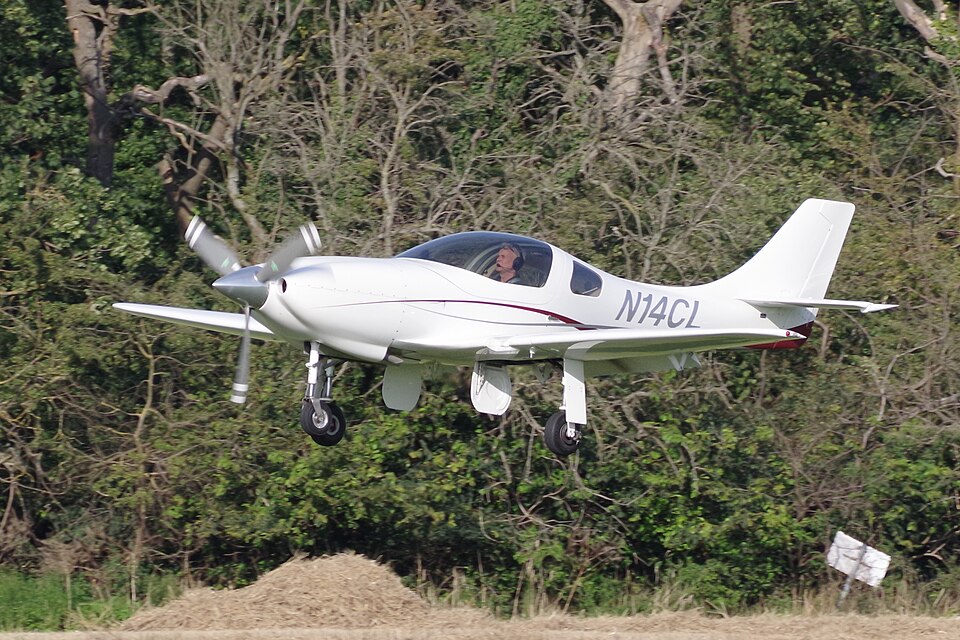
Aircraft registered N14CL
Aircraft registered N14CL. Photo: André Gerwing / CC BY-SA 4.0, via Wikimedia Commons

An aircraft lost engine power at approximately 200 feet above ground level immediately after takeoff, leading to a collision with trees off the airport perimeter. A witness observed blue smoke from the exhaust prior to the incident.

What happened

The accident occurred immediately following the departure phase of flight. The aircraft experienced an immediate loss of engine power while climbing at an altitude of approximately 200 feet above ground level (AGL). Following this mechanical failure, the aircraft was unable to maintain altitude and subsequently collided with trees located off the airport property.

Eyewitness accounts provided critical context regarding the sequence of events. One witness reported observing a puff of blue smoke emanating from the engine exhaust system just prior to the loss of power. The pilot had previously noted an anomaly during pre-flight procedures, reporting what he believed to be a fouled spark plug. However, the pilot stated that this condition appeared to correct itself during the engine runup phase, leading to the decision to proceed with the flight.

The investigation

Post-accident examination of the aircraft's engine was conducted to determine the root cause of the power loss. Technical analysis revealed no evidence of mechanical malfunction or pre-existing internal damage that would account for the sudden failure. This finding contradicted the pilot's initial suspicion of a fouled plug, suggesting the issue may have been transient or related to fuel/ignition timing rather than permanent mechanical failure.

Findings

The primary factors contributing to this accident include the loss of engine power during the critical climb phase and the subsequent collision with terrain. The presence of blue smoke suggests potential issues with oil burning or fuel mixture, although no definitive mechanical defect was found upon inspection.

Probable cause

The pilot's failure to maintain adequate airspeed during takeoff, which resulted in a stall and subsequent collision with trees. Contributing factors included the loss of engine power immediately after takeoff and the pilot's misdiagnosis of a fouled spark plug that had self-corrected.

Frequently asked questions

What happened in the 9 Jan 1994 Piper PA-28-151 accident near Jasper, AL?

An aircraft lost engine power at approximately 200 feet above ground level immediately after takeoff, leading to a collision with trees off the airport perimeter. A witness observed blue smoke from the exhaust prior to the incident.

What aircraft was involved and where did it happen?

The accident on 9 Jan 1994 involved a Piper PA-28-151, registration N14CL, at Jasper, AL.

What was the probable cause of the accident?

The pilot's failure to maintain adequate airspeed during takeoff, which resulted in a stall and subsequent collision with trees. Contributing factors included the loss of engine power immediately after takeoff and the pilot's misdiagnosis of a fouled spark plug that had self-corrected.

Investigation report by the U.S. National Transportation Safety Board (NTSB) historical archive. Original record: https://carol.ntsb.gov/event/20001206X00581. This page is a structured re-presentation; facts and quotes are in the National Transportation Safety Board (NTSB), United States.