What happened
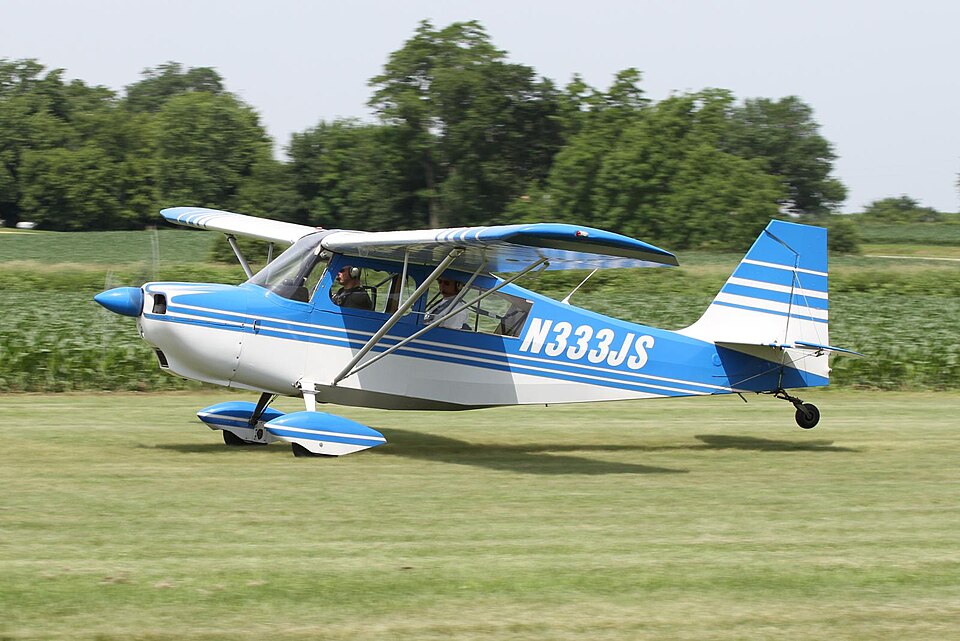
The aircraft experienced a ground loop while conducting the landing roll on runway 19. According to the pilot's account, the incident was caused by an inability to adequately compensate for the prevailing crosswind conditions during the final phase of the approach and touchdown.
The pilot reported that the airplane did not experience any preimpact malfunctions or mechanical failures. The surface winds at the time were recorded from 210 degrees at 15 knots, with gusts reaching 18 knots. The pilot had accumulated only 10 hours of flight time in conventional gear aircraft, a factor potentially relevant to handling the crosswind component.
The investigation
The investigation focused on the pilot's account and the environmental conditions at the time of the event. No mechanical defects were identified as contributing factors. The primary finding was related to crosswind control during the landing phase.