What happened
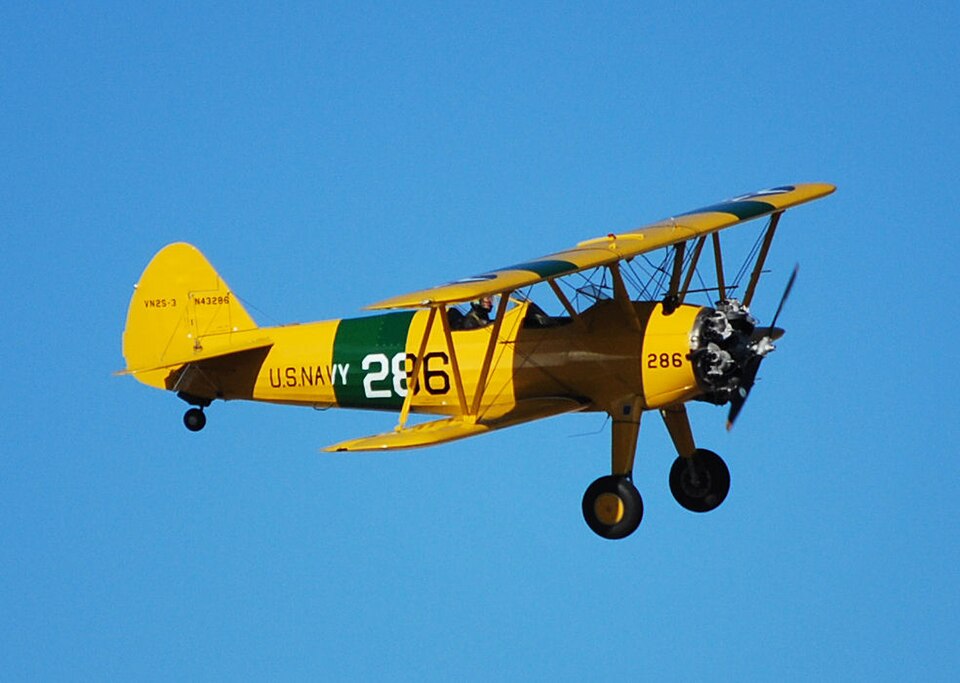
The pilot reported that during the initial climb phase of takeoff, the aircraft reached an altitude of 100 feet above ground level (AGL). At this point, the pilot initiated a right turn in accordance with noise abatement procedures. Shortly after beginning the maneuver, the airspeed began to decrease significantly, and the aircraft ceased its upward climb.
As the aircraft lost altitude, the pilot became aware of rising terrain directly ahead. In an attempt to avoid the obstruction, the pilot attempted a left turn. However, the aircraft was unable to maintain sufficient lift. The airplane subsequently bounced on the terrain while in a three-point attitude before nosing over.
Findings
The accident occurred under conditions where performance was critically limited by environmental factors. The density altitude at the time of the incident was approximately 8,500 feet. This high density altitude reduces engine power output and wing efficiency, making it difficult to maintain airspeed during low-energy maneuvers such as turns near the ground.
The pilot's decision to initiate a turn immediately after takeoff, combined with the reduced performance capabilities due to the high density altitude, resulted in an inability to sustain flight. The aircraft stalled and impacted the terrain.