Casualties unknown

1995-06-20: Boeing 767-222 (N606UA) — Champagne, IL

Champagne, IL, US

On June 20, 1995, a Boeing 767-222 (registration N606UA) was involved in an aviation accident near Champagne, IL. Investigators recorded the probable cause as: an in-flight encounter with turbulence. This summary draws on records from the U.S. National Transportation Safety Board (NTSB) historical archive; 5 related events involving the same aircraft type or operator are linked below.

Sourcesthe U.S. National Transportation Safety Board (NTSB) historical archivePrimary reportUpdated 1781061362Data APIEditorial standards
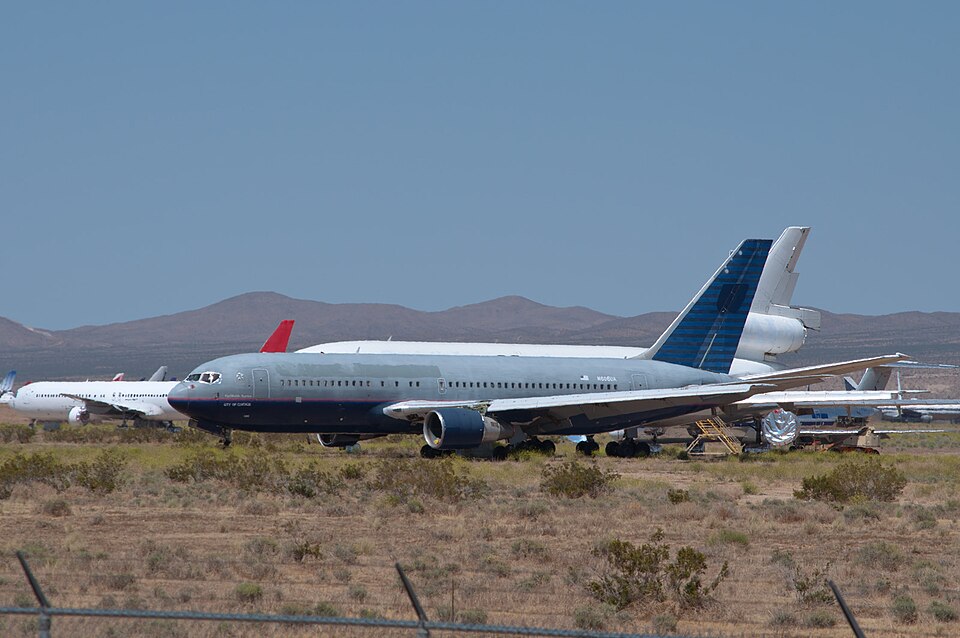
Aircraft registered N606UA
Aircraft registered N606UA. Photo: skinnylawyer from Los Angeles, California, USA / CC BY-SA 2.0, via Wikimedia Commons

While vectoring between thunderstorm cells in IMC, the airplane entered VMC, saw a cumulonimbus buildup not on radar, and penetrated its top. Severe turbulence caused 900 ft altitude loss, seriously injuring three flight attendants and one passenger.

Incident Overview

During vectoring between two thunderstorm cells in instrument meteorological conditions (IMC), the airplane momentarily entered visual meteorological conditions (VMC). The flightcrew observed a cumulonimbus buildup directly ahead of their path. The captain reported that this buildup had not been displayed on their radar and that the cell was too close to avoid.

Crew Actions

The captain immediately made an announcement for the flight attendants, who were in the process of serving the cabin, to be seated. However, the captain stated that there was not enough time for the flight attendants to react before the airplane penetrated the top of the buildup.

Turbulence and Altitude Loss

The flight experienced ten seconds of severe turbulence. During this event, the airplane lost approximately 900 feet in altitude.

Injuries

Three of the nine flight attendants were seriously injured. One passenger, who was seated but had not had her seat belt fastened, was also seriously injured.

Seat Belt Sign Status

The seat belt sign had been on for approximately eight to ten minutes prior to the cell penetration.

Investigation report by the U.S. National Transportation Safety Board (NTSB) historical archive. Original record: https://carol.ntsb.gov/event/20001207X03670. This page is a structured re-presentation; facts and quotes are in the National Transportation Safety Board (NTSB), United States.