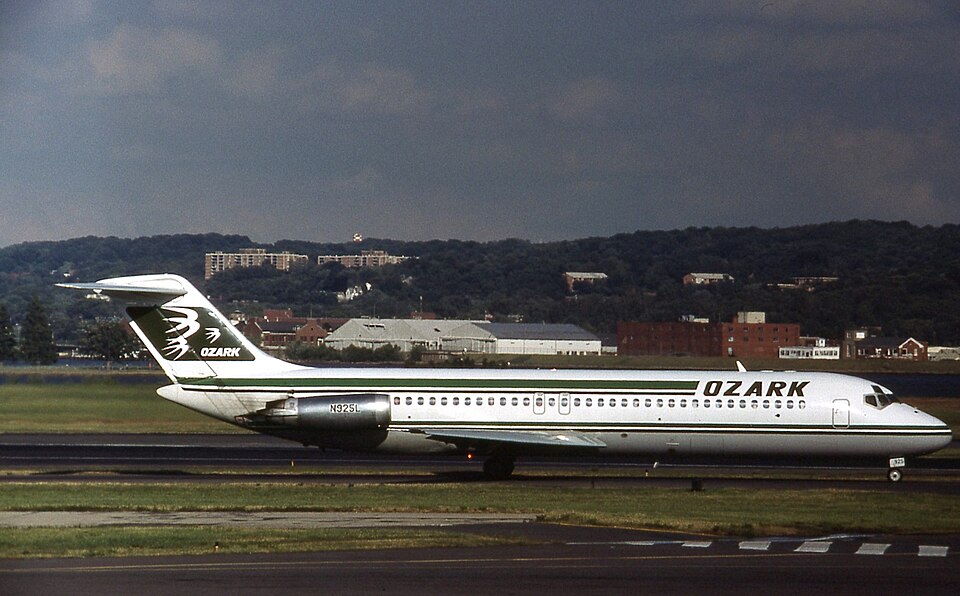
Engine flameout during landing in snow and fog

Casualties unknown • Saint Louis, MO, US

An aircraft experienced an engine flameout during landing due to slush ingestion, resulting in the plane sliding 70 degrees off the runway heading.

What happened

During the landing phase, the captain reported that after lowering the nosewheel and applying reverse thrust, the engines became quieter than normal. As the aircraft slowed to taxi speed, the nose began turning to the right. Despite the pilot applying steering controls, the airplane continued to turn and began to slide, eventually coming to a stop near the edge of the runway at an angle 70 degrees off the runway heading. Upon stopping, the captain realized that the engines were no longer operating.

At the time of the incident, weather conditions included a 600-foot ceiling and visibility of 3/8 of a mile in snow and fog. Surface winds were recorded at 360 degrees at 16 knots, with gusts up to 27 knots. The tower reported 1/4 inch of snow on the runway with braking action rated as fair to poor. A witness noted that the airplane was engulfed in a cloud of snow during landing and observed the engines sounding as if they had lost intake air before becoming silent. Additionally, a witness reported slush accumulations on the runway exceeding 1/4 inch.

Findings

The engine manufacturer stated that an engine flameout can occur if 1/4 inch or more of slush is ingested into the engines while they are operating at low power, such as during the landing process.

Probable cause

The ingestion of slush into the engines during landing caused an engine flameout.

Frequently asked questions

What happened in the 1995-12-19 Douglas DC-9-32 accident near Saint Louis, MO?

An aircraft experienced an engine flameout during landing due to slush ingestion, resulting in the plane sliding 70 degrees off the runway heading.

What aircraft was involved and where did it happen?

The accident on 1995-12-19 involved a Douglas DC-9-32, registration N925L, operated by Trans World Airlines, Inc., at Saint Louis, MO.

What was the probable cause of the accident?

The ingestion of slush into the engines during landing caused an engine flameout.

Investigation report by the U.S. National Transportation Safety Board (NTSB) historical archive. Original record: https://carol.ntsb.gov/event/20001207X04969. This page is a structured re-presentation; facts and quotes are in the National Transportation Safety Board (NTSB), United States.

Loading the flight search…