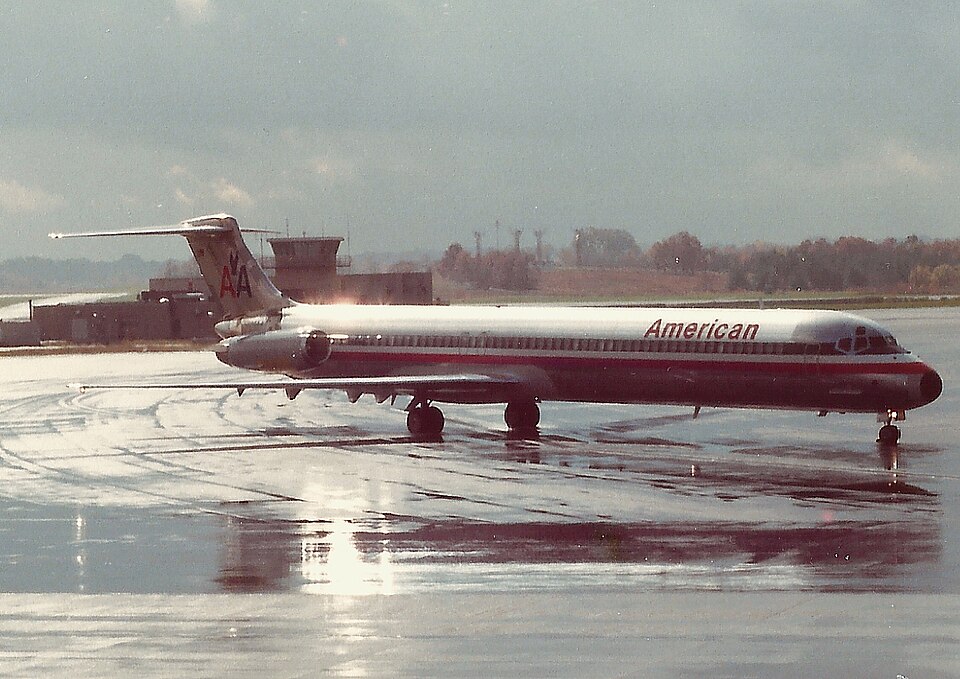
Flight Sequence
The flight crew initiated windshear recovery procedures during the final landing phase after detecting a 30-knot loss of airspeed and receiving a cockpit warning. Despite these actions, the aircraft continued descending and its tail collided with the runway.
Environmental Conditions
The temperature/dew point spread was 81 degrees Fahrenheit, and the density altitude was 8,900 feet. Reported winds were from 270 degrees at 12 knots.
Windshear Alert System
The functioning North sensor low-level windshear alert system (LLWAS) did not detect or advise of a windshear condition. The location and height of the sensor did not conform to FAA guidelines.
Air Traffic Control
The flight crew was monitoring the tower frequency as directed when approach control received a windshear pilot information report (PIREP). ATC policy does not require the PIREP to be passed to the tower controller. The PIREP was not received by the crew.
Flight Data Recorder Data
The Flight Data Recorder (FDR) revealed that at a speed of 150 knots and a radar altimeter reading of 152.7 feet, the longitudinal acceleration decreased from 0.010 to -0.049 (radar altimeter 134.3 feet) and the engine N1 values decreased from 62.1% to 43.8%. Within the next 5 seconds, the airspeed decreased to 134.3 knots (radar altimeter 41.7 feet), the pitch attitude increased to 3.2 degrees, and N1 increased to 70.95%. Two seconds later, the airplane collided with the runway as the airspeed decreased to 122 knots (radar altimeter 8.6 feet) with the pitch attitude at 7 degrees and N1 at 89.8%.