Accident Details
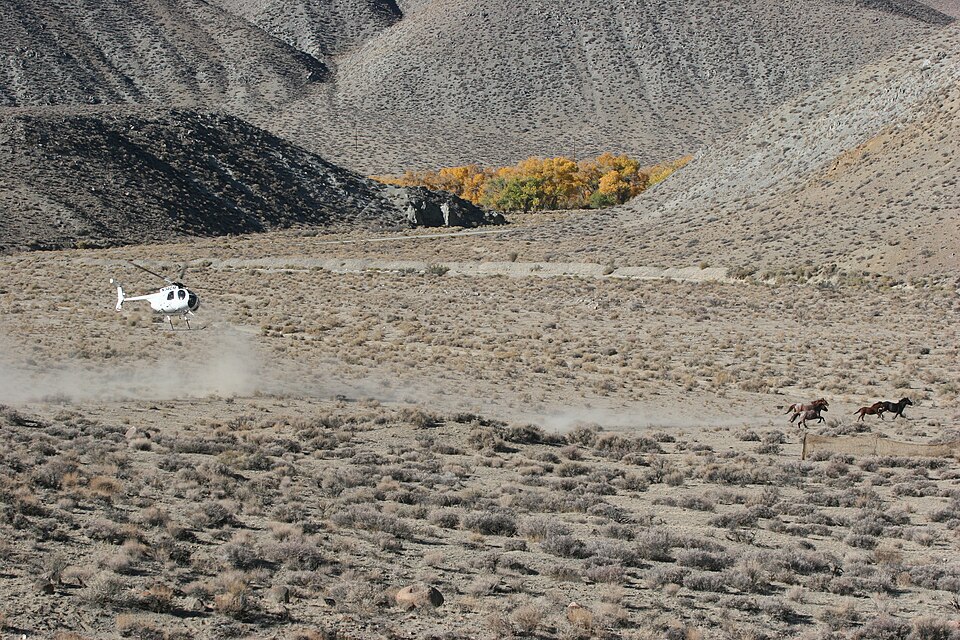
The accident occurred during a training flight where an instructor was demonstrating autorotation techniques to a student. According to the instructor, he entered a 'hovering auto(rotation)' to runway 17 from an altitude of 3 feet above ground level (AGL) at a speed of less than 10 knots. The instructor estimated the wind to be from 170 degrees at 12 to 15 knots. However, recorded wind at Denver International Airport, located 10 miles northwest of the accident site, was from 290 degrees at 12 knots. After the helicopter touched down, the main rotor blades struck the tail boom.
Pilot's Comments
The pilot stated that this type of incident is 'a fairly common occurrence' with this particular helicopter make and model when operating under 'low rotor rpm and gusty wind.'
Manufacturer's Response
A spokesman for the helicopter manufacturer commented that if the helicopter had been landed upwind, the accident would not have occurred. He added that if gusty wind conditions were present, autorotation demonstrations should not have been attempted.