No fatalities

Crew Responds to Smoke Detector Warning During Takeoff Climb (N198FE)

Oklahoma City, OK, US

On January 22, 1997, a Boeing 727-100 (registration N198FE) was involved in an aviation accident near Oklahoma City, OK. No fatalities were reported. Investigators recorded the probable cause as: existence of fumes from the cargo compartment and activation of the cargo smoke detector for undetermined reasons. This summary draws on records from the U.S. National Transportation Safety Board (NTSB) historical archive; 8 related events involving the same aircraft type or operator are linked below.

Sourcesthe U.S. National Transportation Safety Board (NTSB) historical archivePrimary reportUpdated 2026-07-04Data APIEditorial standards
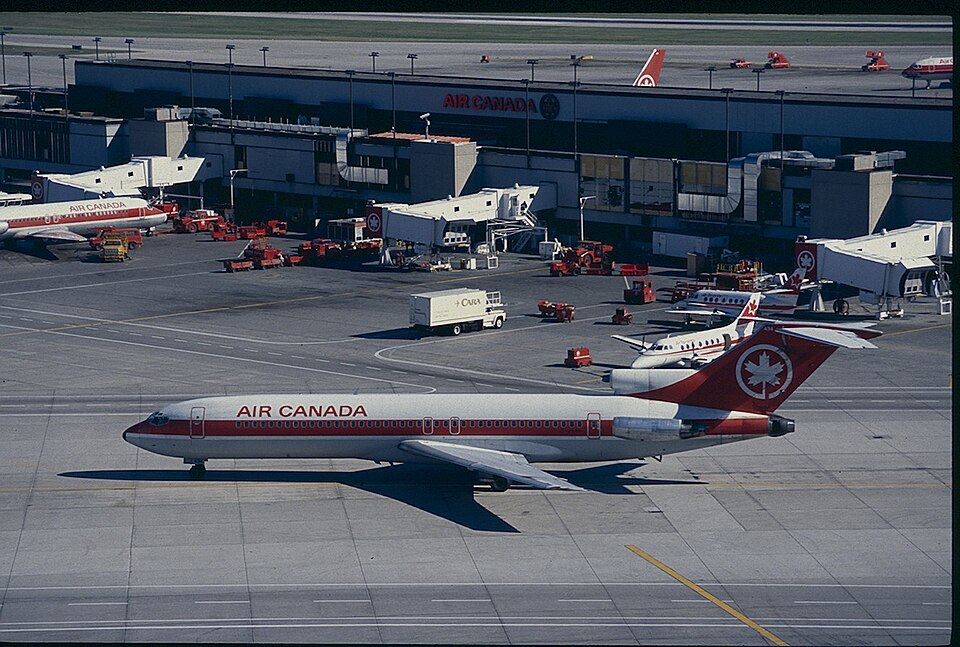
Boeing 727-100
Photo: Pete Macklin / CC BY-SA 2.0, via Wikimedia Commons

During initial climb, a smoke detector illuminated and crew smelled lacquer odor from cargo. No fire found; painted panels in bin 5 were non-hazardous. Detector tested within specs.

Event Overview

During the takeoff initial climb, the flight crew received an aural warning and observed illumination of the number 2 smoke detector sensor light in the cockpit. Concurrently, crew members noted a strong odor resembling lacquer and varnish emanating from the cargo area. Despite the warning, no evidence of an in-flight fire or hazardous cargo spill was found in any cargo container.

Cargo Examination

Subsequent inspection revealed wood panels stored in cargo bin 5. These panels had been painted earlier that day with a base coat (Kem-Flash E61A45) and a topcoat (Production Lacquer L61XX Lead-Free Custom). The ramp agent who loaded the boxes into the cargo container reported no perception of smell or fumes at the time of loading.

Paint and Hazard Assessment

Painted panels may emit a paint-like odor during the curing process. However, once the paint has been applied to the panels, the material is not classified as hazardous and is considered nonflammable even while still in the curing stage.

Smoke Detector Verification

The smoke detector, Part No. 7740-01, Serial No. 2024, operates based on the percentage of light transmitted. Functional testing confirmed that the detector operated within the manufacturer's specified parameters, indicating no malfunction.

Conclusion

The source does not provide a probable cause for the event. No causal or contributory factors are stated in the investigation report.

All Boeing 727-200 accidents →

Frequently asked questions

What happened in the 22 Jan 1997 Boeing 727-100 accident near Oklahoma City, OK?

During initial climb, a smoke detector illuminated and crew smelled lacquer odor from cargo. No fire found; painted panels in bin 5 were non-hazardous. Detector tested within specs.

Were there any fatalities in the 22 Jan 1997 Boeing 727-100 accident?

No fatalities were recorded in this accident.

What aircraft was involved and where did it happen?

The accident on 22 Jan 1997 involved a Boeing 727-100, registration N198FE, at Oklahoma City, OK.

What was the probable cause of the accident?

existence of fumes from the cargo compartment and activation of the cargo smoke detector for undetermined reasons.

Investigation report by the U.S. National Transportation Safety Board (NTSB) historical archive. Original record: https://carol.ntsb.gov/event/20001208X07280. This page is a structured re-presentation; facts and quotes are in the National Transportation Safety Board (NTSB), United States.