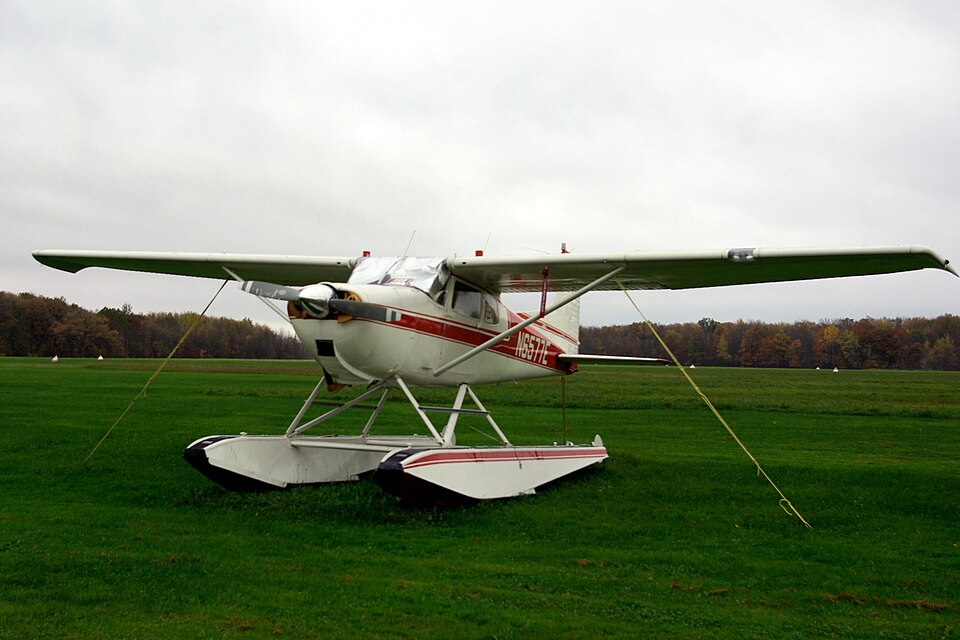
Incident Overview
A pilot reported that after departing from Lake Hinkley, the engine lost power approximately two hours into the flight. The pilot subsequently landed the airplane in a corn field, stating that the aircraft was out of fuel. The pilot noted that there were no mechanical issues with the airplane prior to the power loss.
Fuel Details
Before departure, the pilot added 20 gallons of fuel to the airplane, bringing the total fuel onboard to between 45 and 48 gallons. The fuel was purchased at a local airport and transported to the airplane at the lake, as no fueling services were available at Lake Hinkley. The pilot estimated the flight would take about 2.5 hours.
Pilot Experience and Observations
The pilot reported having 250 hours of total flight experience, with 10 hours in the make and model of the accident airplane. During the flight, the pilot observed that the fuel gauges gradually decreased but stated that he "would not rely on the fuel gages in a forty year old airplane."
Post-Accident Examination
An examination of the airplane revealed that both fuel tanks were intact and empty. A representative from the engine manufacturer indicated that the fuel consumption rate for the model engine was between 8 and 10 gallons per hour.