What happened
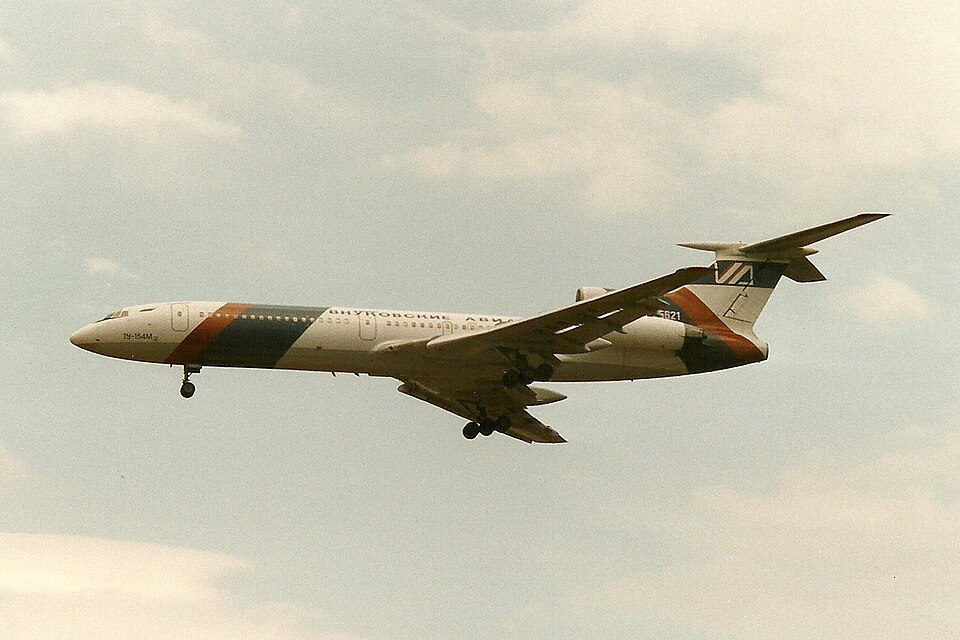
On August 29, 1996, Vnukovo Airlines flight VKO 2801, a Tupolev Tu-154M registered as RA 85621, was operating a chartered service from Moscow to Svalbard Airport Longyear in Norway. The aircraft carried 130 passengers and an 11-member crew, all of whom perished instantly upon impact.
The flight departed Vnukovo Airport at 04:44 UTC and proceeded normally over the Barents Sea. As the aircraft began its descent toward Longyear, the crew attempted to request clearance for an Instrument Landing System (ILS) approach to runway 10, which was within the aircraft's performance capabilities. However, due to language barriers with the Aerodrome Flight Information Service (AFIS) officer, the request was misunderstood.
The AFIS officer informed the crew that runway 28 was in use for operations due to wind conditions. The crew interpreted this information as an instruction rather than a suggestion and switched their approach plan to runway 28 without confirming the correct navigational parameters for an offset localizer approach. They set the landing course of 283° on their Horizontal Situation Indicator (HSI) instead of the localizer course of 300°. During the base turn, the aircraft overshot the centerline and drifted further right. Despite discrepancies in instrument readings and internal crew disagreement on correction direction, the pilots continued the descent without verifying lateral position or discontinuing the approach. The aircraft struck Operafjellet mountain at an elevation of 907 meters, approximately 14.2 km east of the airport.
The investigation
The accident was investigated jointly by Norway's Aircraft Accident Investigation Board (AAIB/N) and Russia's Interstate Aviation Committee (IAC). Investigators analyzed data from the Cockpit Voice Recorder (CVR), Flight Data Recorder (FDR), and wreckage distribution. They also conducted a test flight to replicate the crew's actions and verify navigational aid functionality.
The investigation confirmed that the aircraft was airworthy and under crew control at the time of impact. The primary focus was on human factors, communication protocols, and procedural adherence. Investigators noted that the crew had prepared for runway 10 but failed to effectively communicate their intent when wind conditions changed. The language barrier between the Russian crew and the Norwegian AFIS officer was identified as a critical breakdown in information exchange.
Findings
The crash resulted from a chain of contributing factors:
- Misinterpretation of Information: The crew treated safety information regarding runway usage as a mandatory instruction, leading to an unplanned change in approach strategy.
- Navigational Error: The crew set the wrong course (283° instead of 300°) on their navigation displays for the offset localizer approach to runway 28.
- Loss of Situational Awareness: During the base turn, the aircraft drifted significantly right of the centerline. The crew failed to recognize this deviation or correct it adequately.
- Crew Resource Management (CRM): There was a lack of effective monitoring and cross-checking between pilots. The navigator was overloaded with preparation duties, reducing situational awareness.
- Communication Barriers: Limited English proficiency prevented clear clarification of the runway status and approach intentions.
- Procedural Gaps: No specific procedure existed for offset localizer approaches at Longyear, and the rule requiring setting the landing course rather than the localizer course contributed to confusion.
Safety action
The investigation led to 19 safety recommendations. Key actions included improving English language proficiency standards for air traffic controllers and pilots, particularly in regions with limited exposure to international aviation communication. Recommendations also addressed the need for clearer procedures regarding offset approaches and enhanced Crew Resource Management training to prevent similar misinterpretations of non-control information.