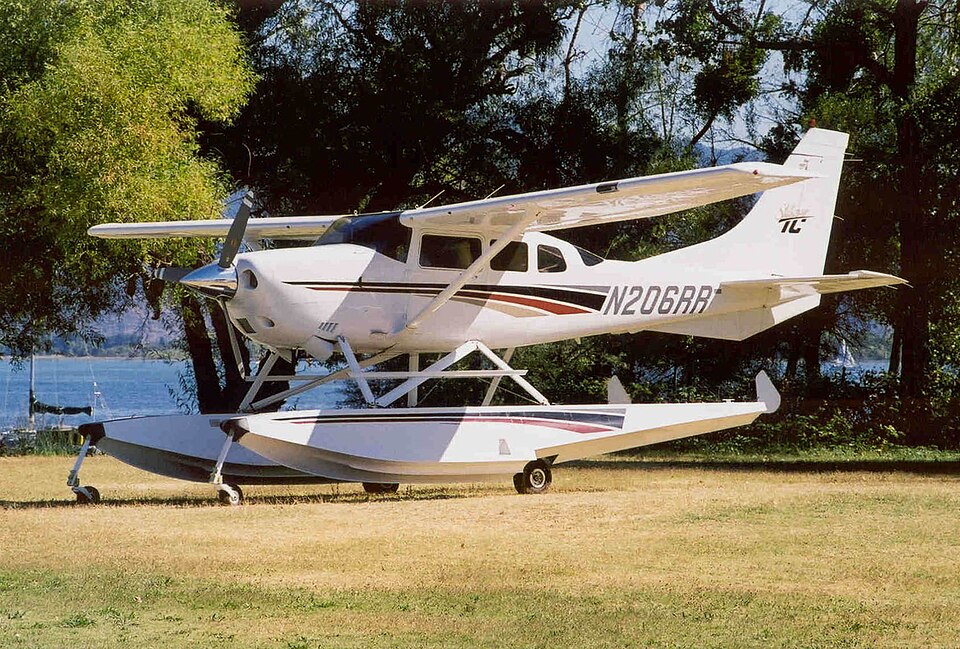
On August 17, 1999, a Cessna TU 206G (registration N206RR) was involved in an aviation accident near Clear Lake, CA. Investigators recorded the probable cause as: The fracture and separation of the front left pontoon attach point due to corrosion. The inability of the area to be inspected was a factor in the accident. This summary draws on records from the U.S. National Transportation Safety Board (NTSB) historical archive.
A float-equipped airplane overturned after veering left during a water landing. Examination revealed a corroded spreader bar fracture at the front left pontoon attach point, not visible during routine inspection.
Incident Narrative
The pilot reported that the water landing was executed smoothly. However, shortly after the aircraft made contact with the water, it unexpectedly veered to the left and subsequently overturned. Weather conditions were characterized by light and variable winds, and the water surface was calm with no white caps.
Post-Incident Examination
Following the accident, an examination of the airplane uncovered a fractured and separated spreader bar at the front left pontoon attach point. The fracture showed signs of corrosion. The location of this damage was not visible during standard preflight or routine maintenance inspections; it could only be observed because the pontoon had been ruptured. A mechanic would need to remove the floats entirely to inspect that specific area. Notably, a visual inspection of the floats had been completed the day before the incident by a mechanic, and no mechanical deficiencies were found.