Incident Overview
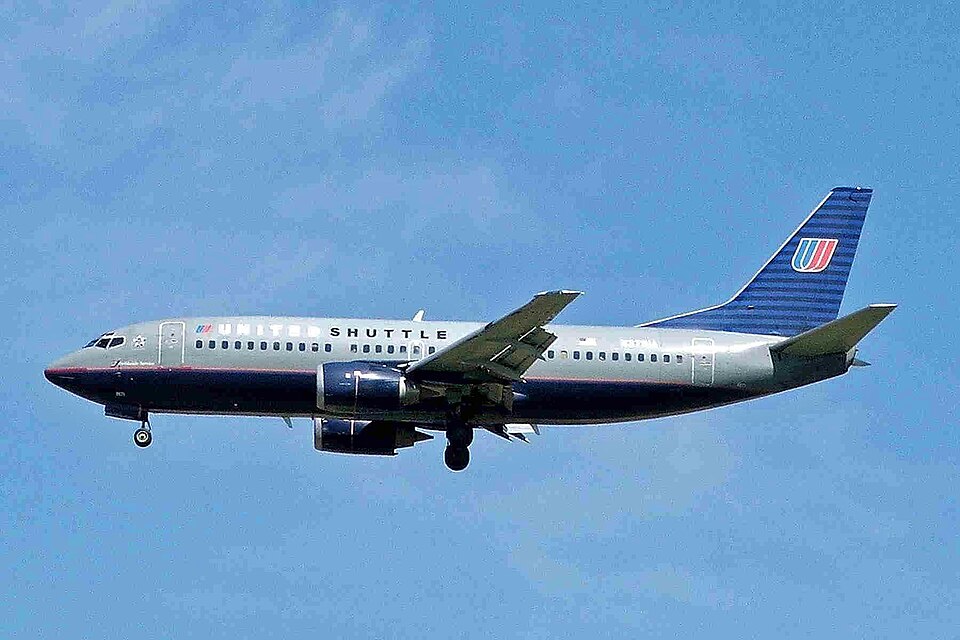
A flight operating at flight level 240 (FL240) encountered severe turbulence shortly after leveling off. The autopilot was engaged, and the seat belt sign had been off for approximately five minutes, during which cabin crew were preparing a beverage service. As the aircraft crossed a VORTAC, it experienced a rapid right roll and pitch excursion, which the crew characterized as severe.
Pilot Response
The captain disconnected the autopilot and applied control inputs in an attempt to counter the aircraft's motions.
Injuries and Damage
As a result of the aircraft motions, one flight attendant sustained serious injuries, while another flight attendant and 13 passengers received minor injuries. The aircraft itself suffered minor damage, primarily limited to ceiling tiles and seats.
Meteorological and Radar Data
A review of meteorological data showed no evidence of any atmospheric phenomena in the area. Radar data established that the flight was in trail of an MD-11 by 11.5 nautical miles and 97 seconds when the upset occurred. The MD-11 had climbed through the flight's cruise altitude and was 600 feet above at the time of the encounter.
Simulation and Wake Vortex Considerations
A simulation study comparing the known airplane response to control inputs versus the motion recorded on the digital flight data recorder (DFDR) indicated that the flight controls alone did not cause the recorded motion. Wake vortex studies by NASA have documented vortex descent rates between 270 and 440 feet per minute.