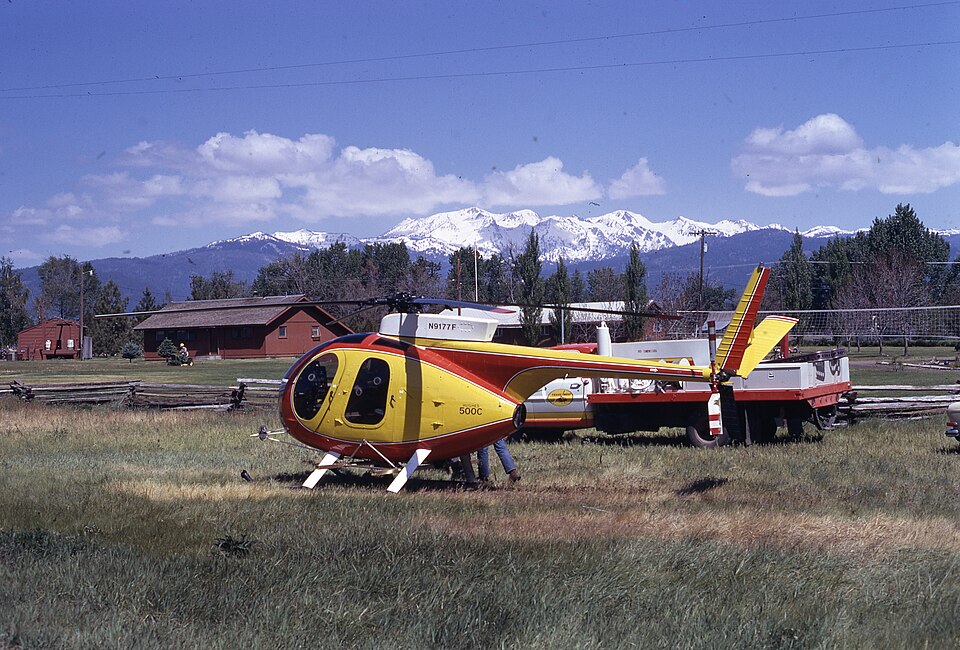
Accident Overview
The pilot of a helicopter reported a loss of directional control while maneuvering backwards and turning into the prevailing wind. The pilot described the wind as "a little gusty." Recorded weather data from a station 12 nautical miles east of the accident site indicated a wind speed of 11 knots.
Maneuver and Impact
Following the loss of directional control, the pilot performed a hovering autorotation. During this maneuver, the helicopter contacted the terrain with a left drift.
Flight Manual Reference
The Rotorcraft Flying Handbook describes the characteristics associated with a loss of tail rotor effectiveness that can result from certain combinations of wind azimuth and helicopter airspeeds.
Tail Rotor Examination
A metallurgical examination of the helicopter's tail rotor assembly revealed no preexisting anomalies.