What happened
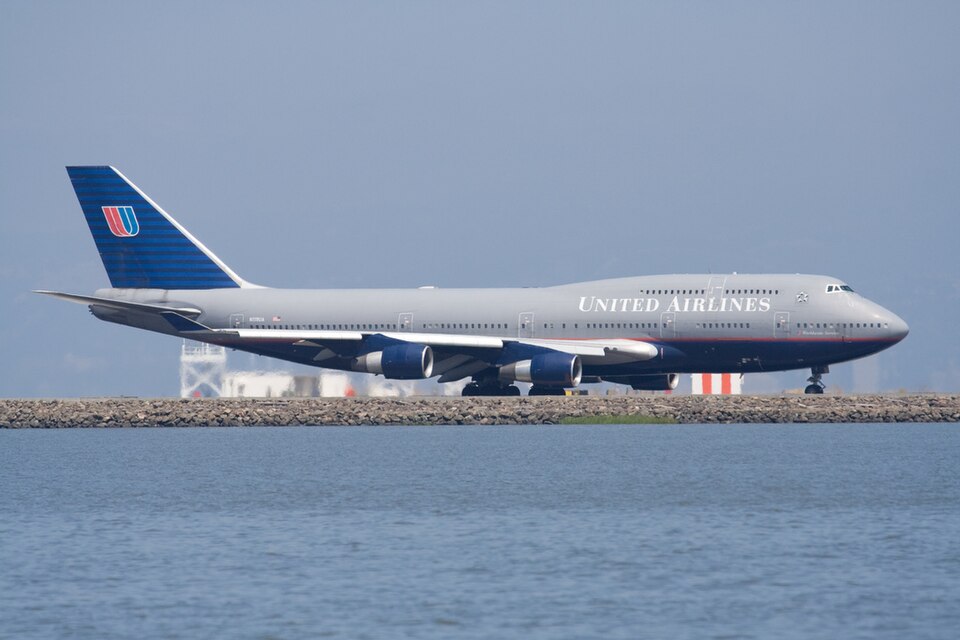
A Boeing B-747 departed San Francisco en route to Hong Kong. Before departure, there were no significant meteorological notices or turbulence forecasts issued for the area of the Alaska Peninsula. During the flight, the aircraft transitioned through communications with Oakland ARTCC, ARINC, and finally Anchorage ARTCC.
At 1432, a PIREP reported moderate turbulence in the incident area, followed by an Urgent PIREP at 1600 reporting severe turbulence. As the aircraft entered the Alaska ARTCC airspace, a delay in establishing communications prevented the timely transmission of the urgent turbulence report to the crew. After noticing rolling clouds ahead, the crew instructed cabin attendants to be seated. At 1620, while cruising at 3 3,000 feet, the airplane encountered moderate to severe turbulence. Approximately five seconds after the instruction to sit down, three cabin attendants were thrown to the floor of the aircraft.
The captain diverted the flight to Anchorage. Upon landing, it was discovered that a belly-mounted fuselage panel enclosing an air conditioning unit was missing.
The investigation
The investigation examined the use of ACARS and Controller/Pilot Data Link Communications (CPDLC) for oceanic flights. It was noted that Anchorage ARTCC was not utilizing CPDLC due to software limitations, including a lack of user-friendliness, the requirement for substantial controller input for free text messaging, and slower speeds compared to voice communications. Additionally, it was found that the FAA lacks a direct mechanism to alert crews of significant weather occurring in one sector while they are in another, and lacks a mechanism to coordinate CPDLC data from an ARTCC sector to ARINC.
A SIGMET for occasional turbulence had been issued by the National Weather Service at 1619.